
Resources
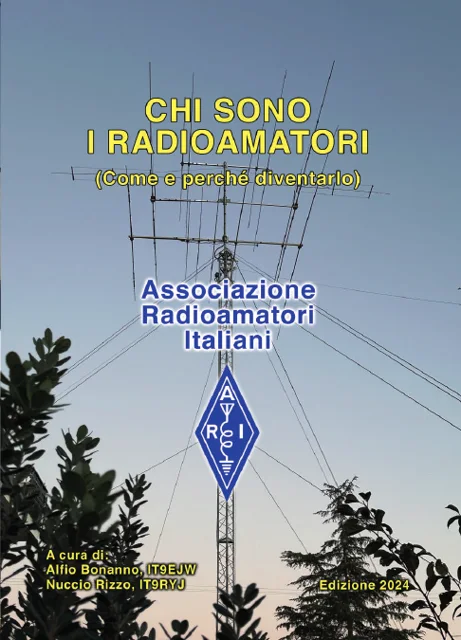
What we've gathered for studying: a booklet to get started, Tullio's illustrated lessons, the Section's presentations, the Ministry's official sources and a few quizzes to practise with.
Getting to know amateur radio
45 illustrated lessons · by Tullio IT9VJO
Electronics for budding radio amateurs
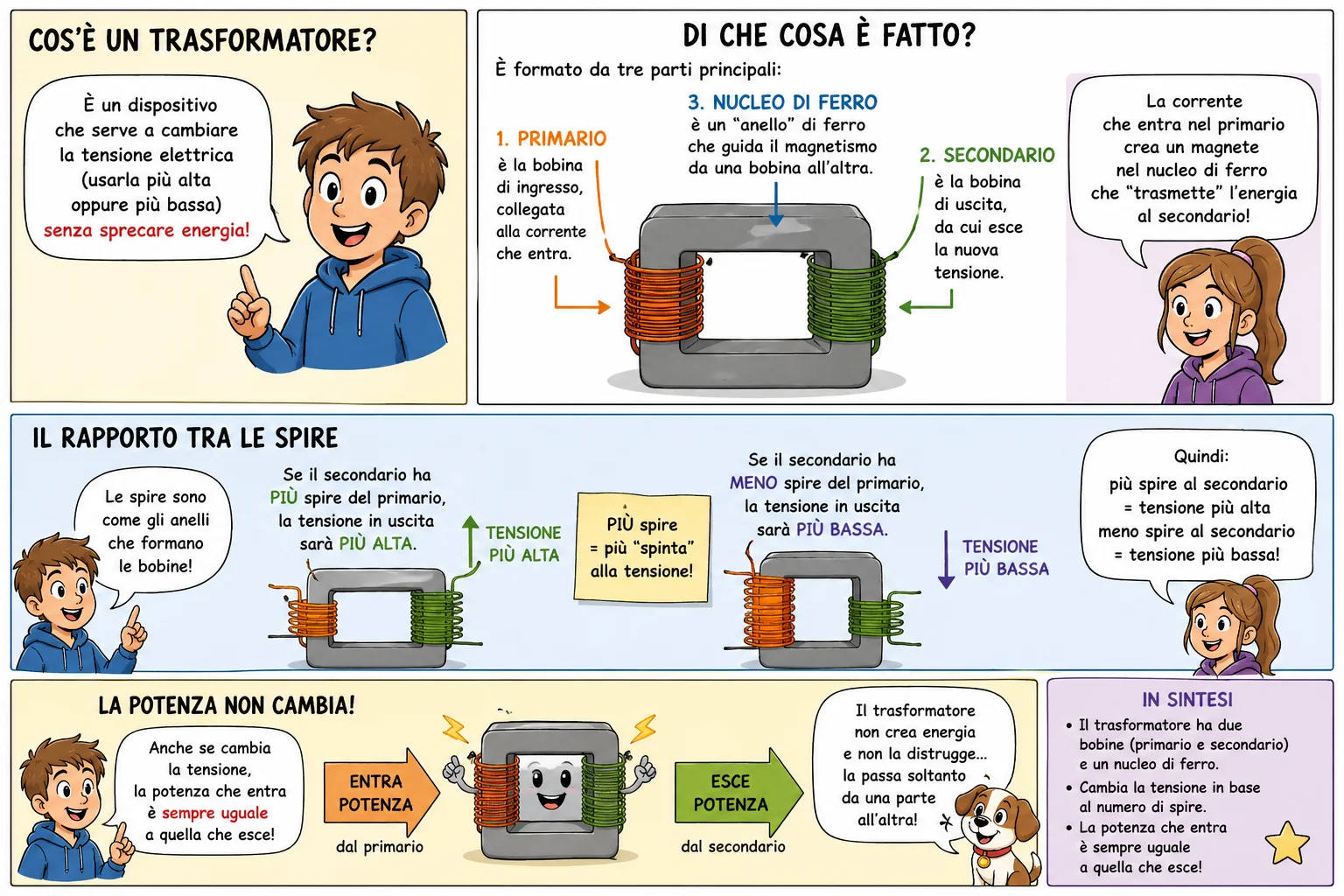
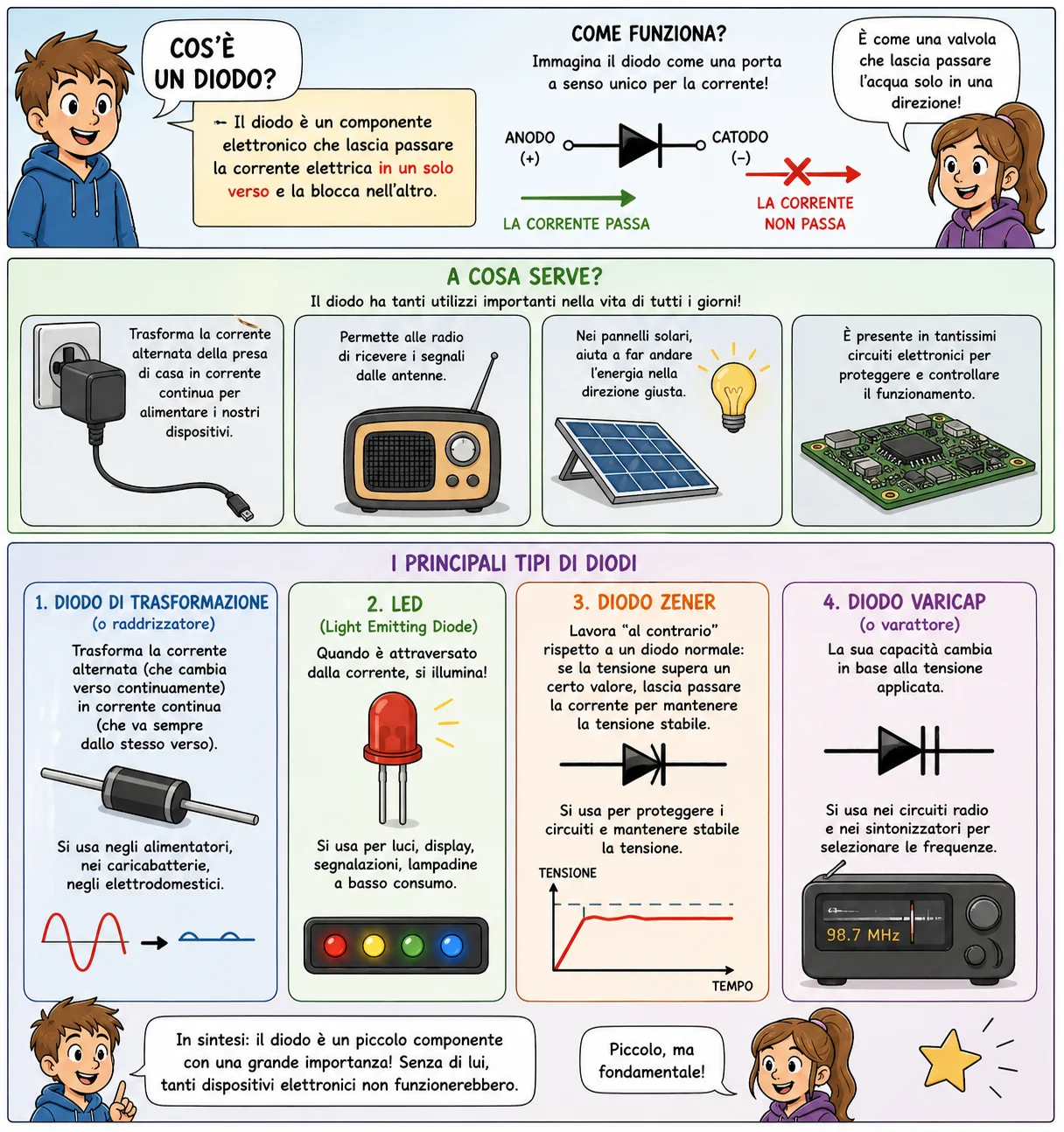
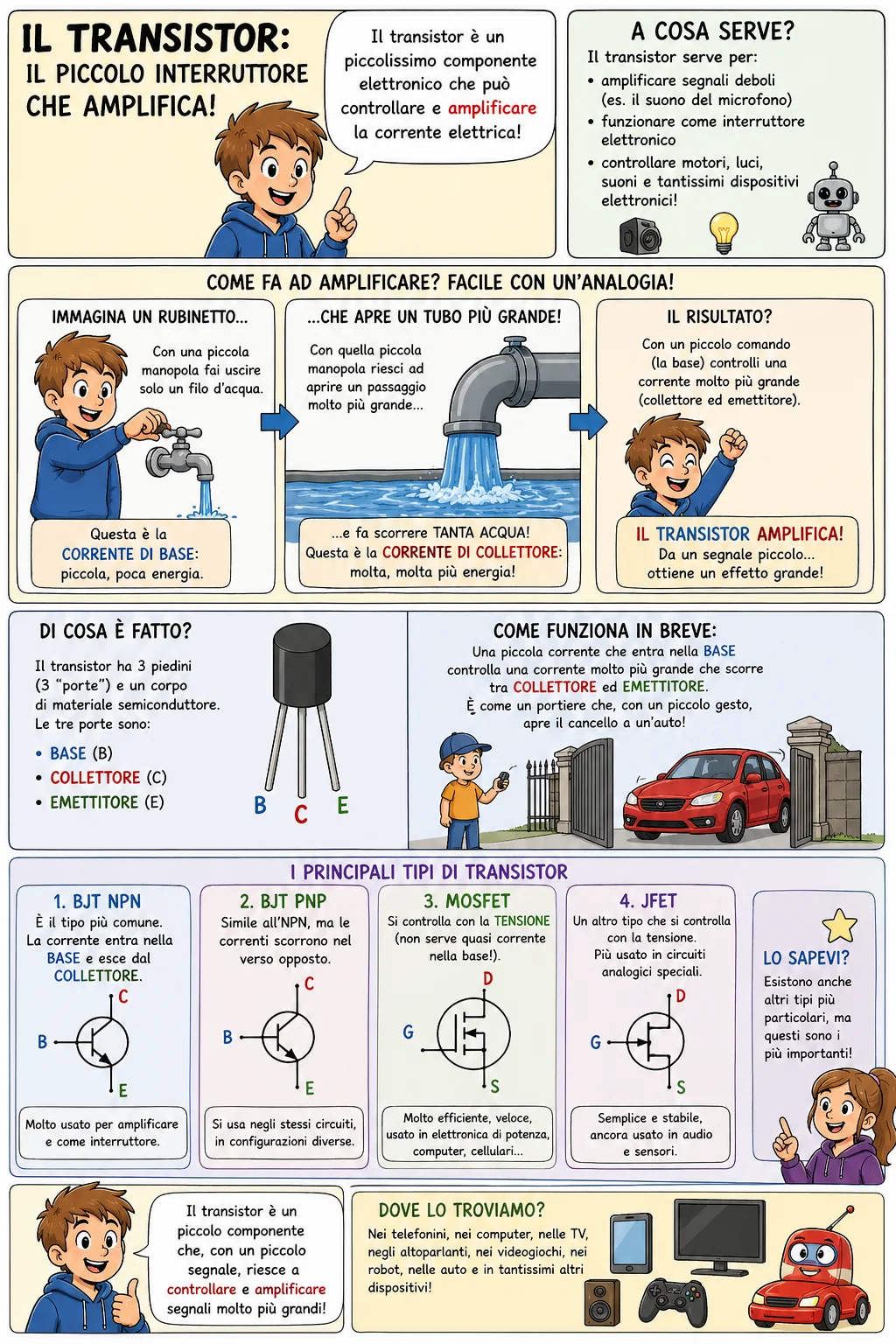
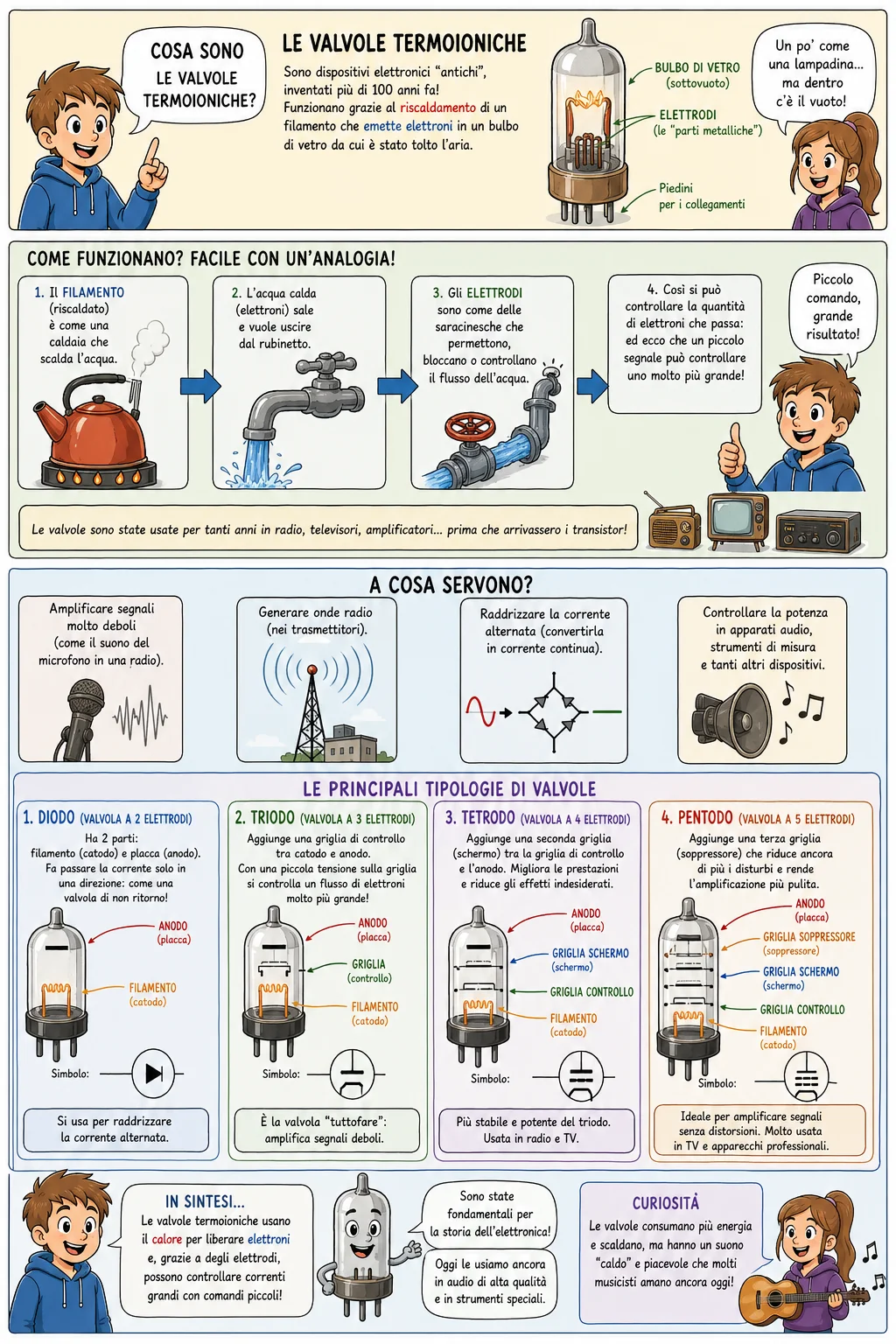
Electronics and radio explained from scratch, one lesson at a time: from atoms and electrons to diodes, transistors and tubes, then modulation, receivers, transmitters, antennas and propagation, with examples from everyday life. Designed for young people and newcomers to radio. The lessons are illustrated in Italian.
Tap a lesson to enlarge it, or download the PDF to print it.
Part one: electricity and components lessons 1–19
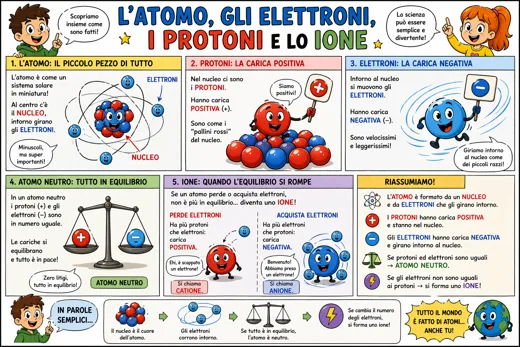
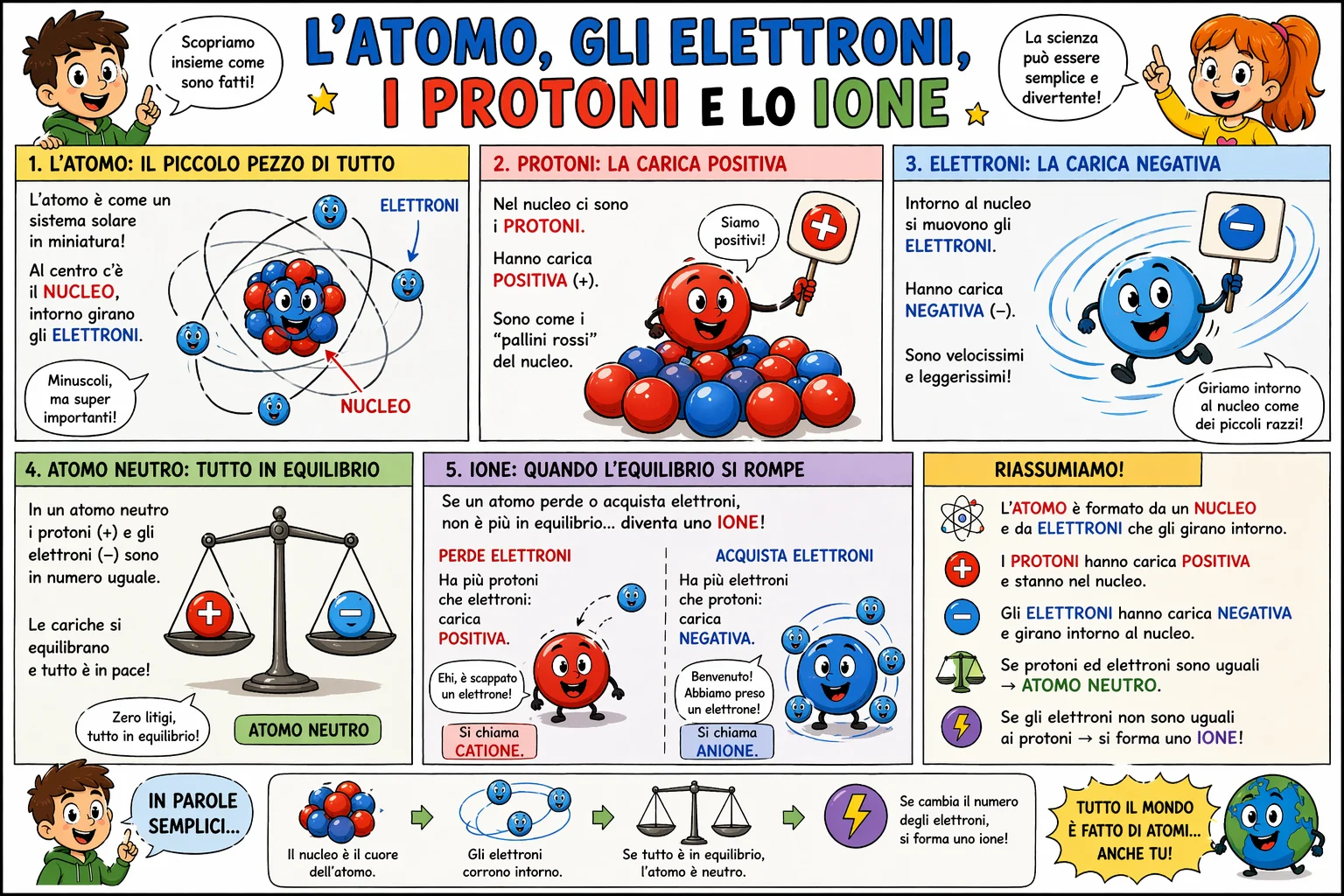
1The atom and electrons 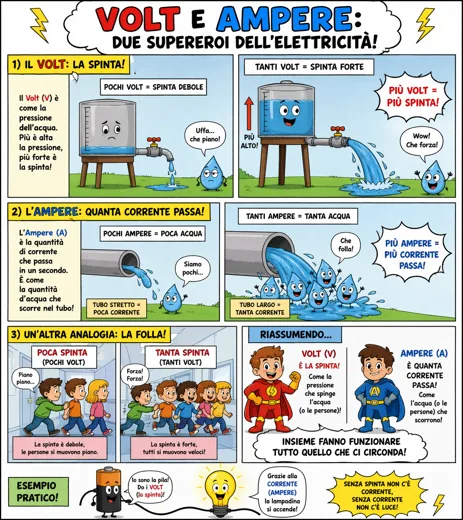
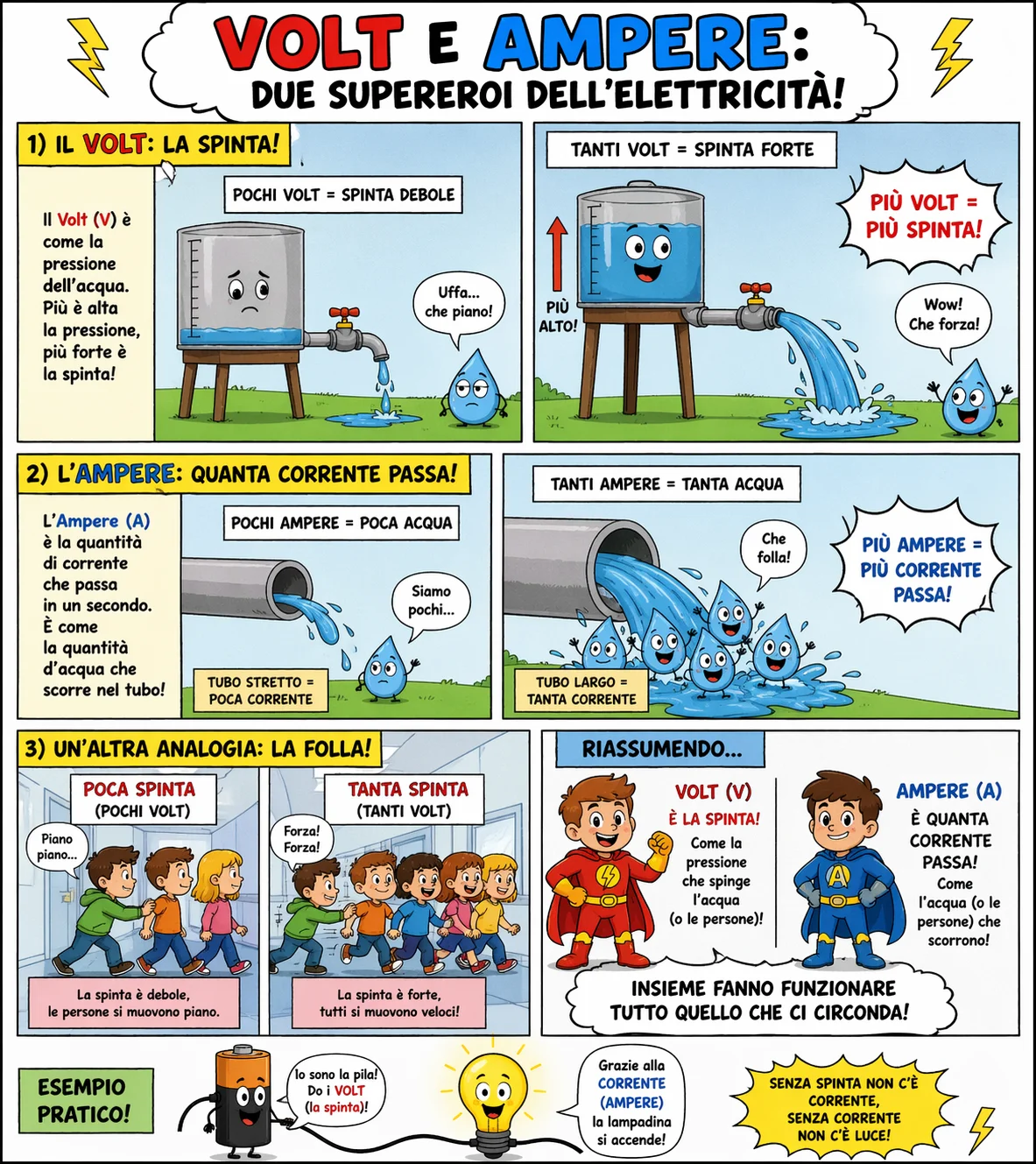
2Volts and amps, two electricity superheroes 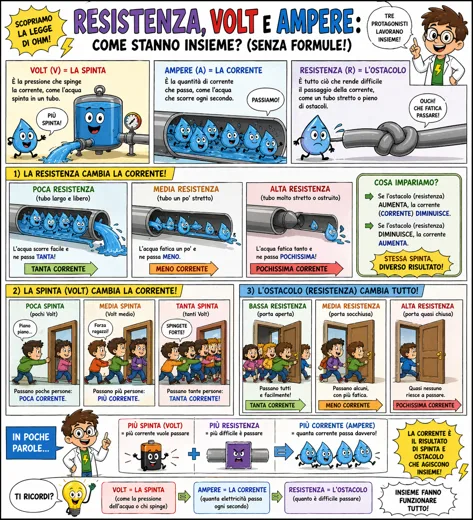
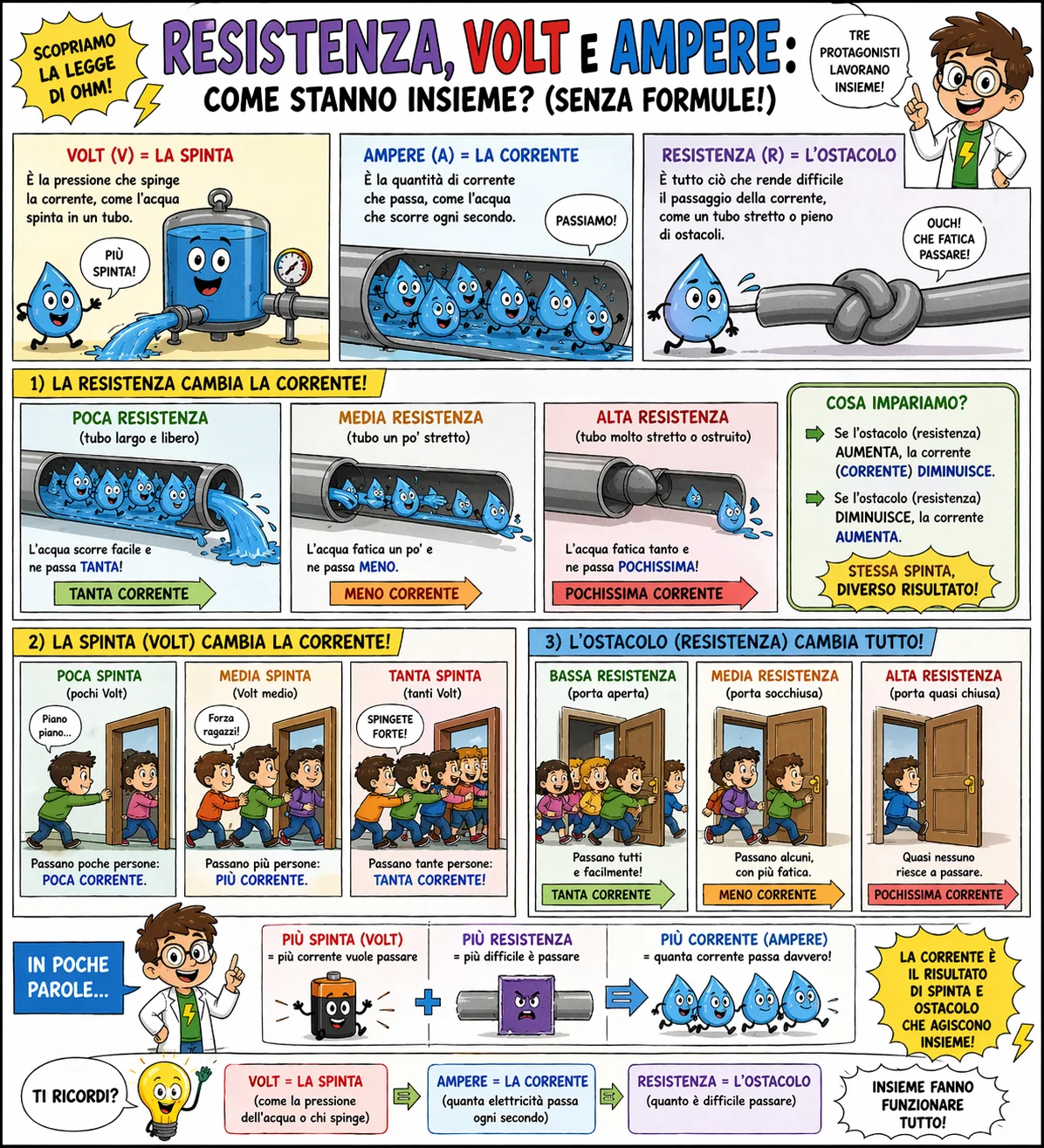
3Resistance, volts and amps: Ohm's law 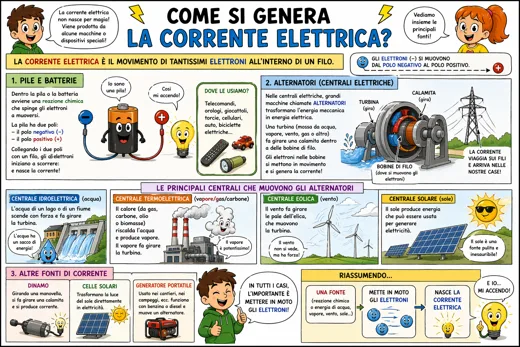
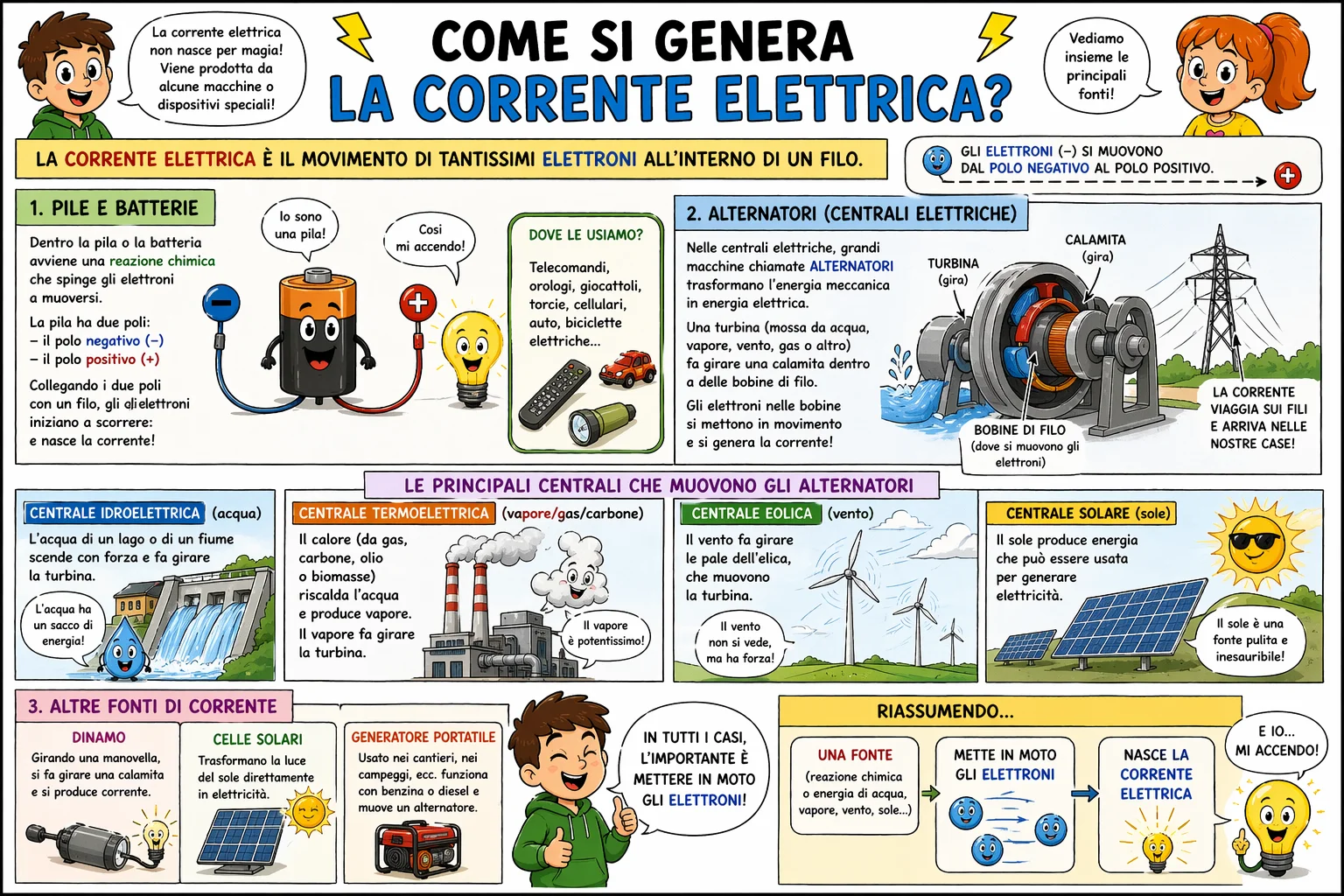
4How electric current is generated 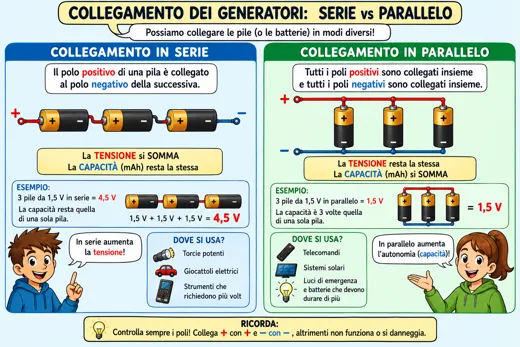
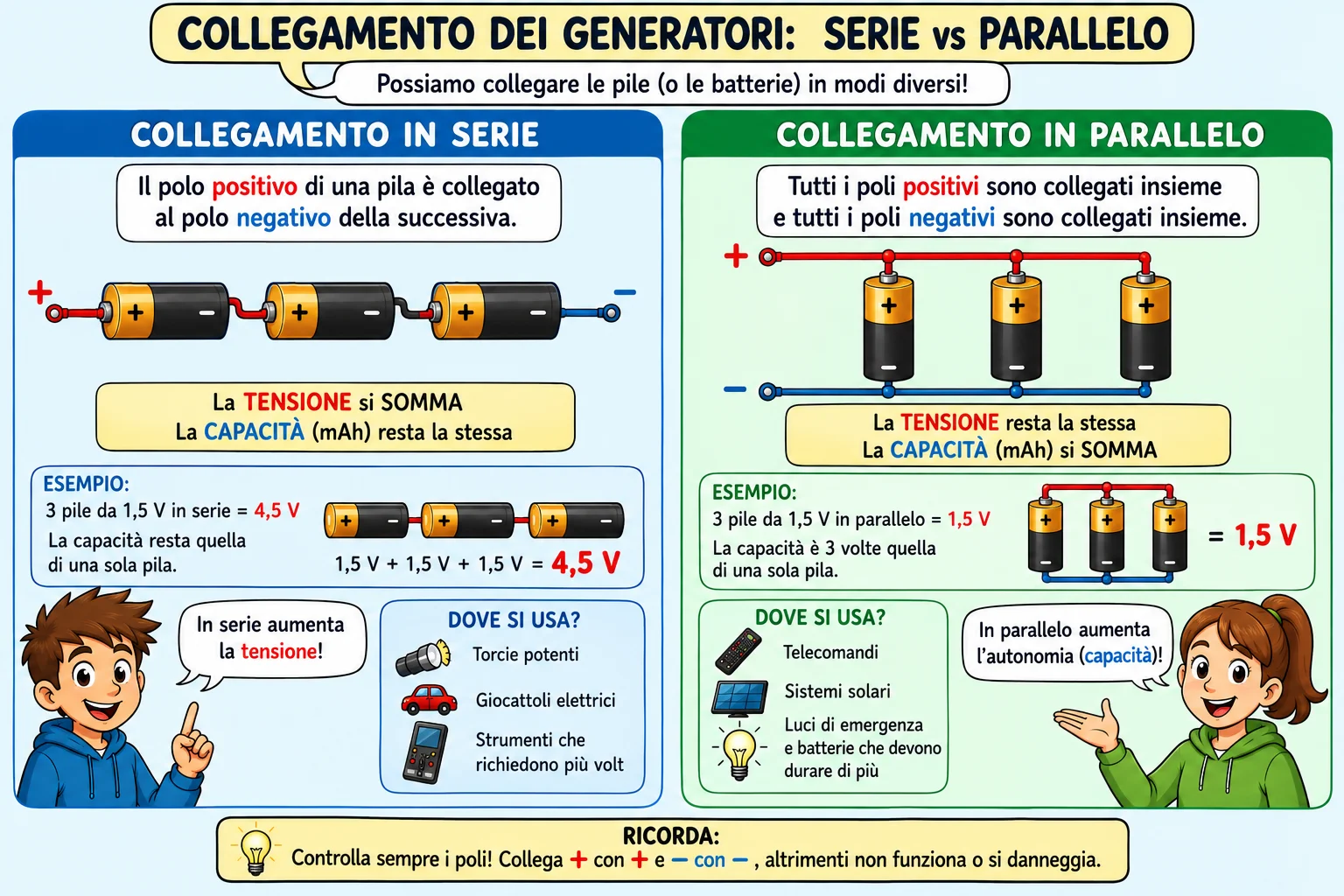
5Generators in series and in parallel 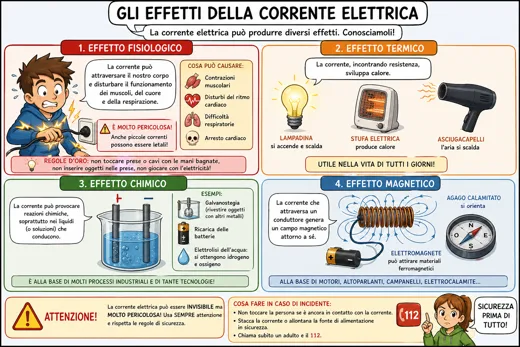
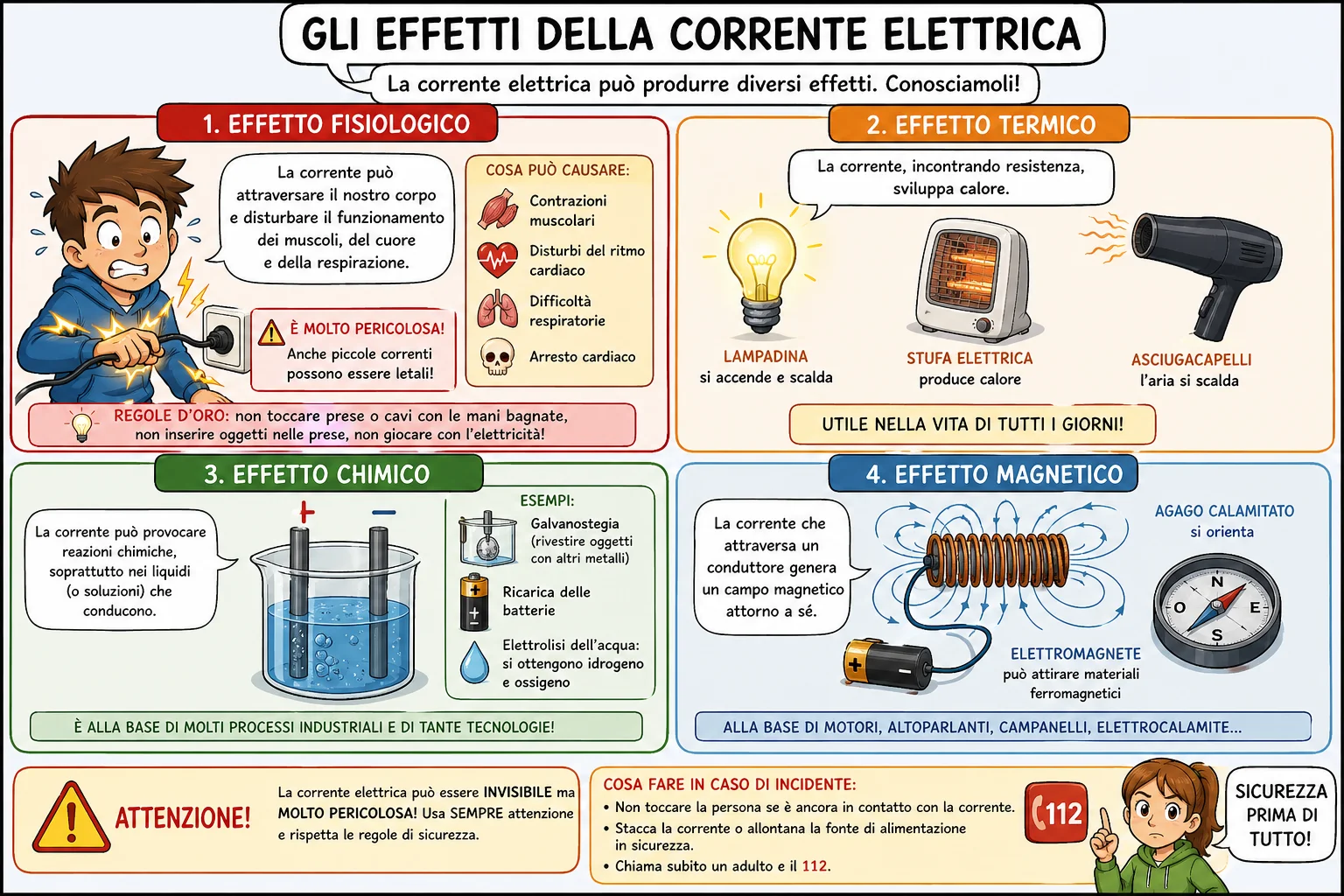
6The effects of electric current 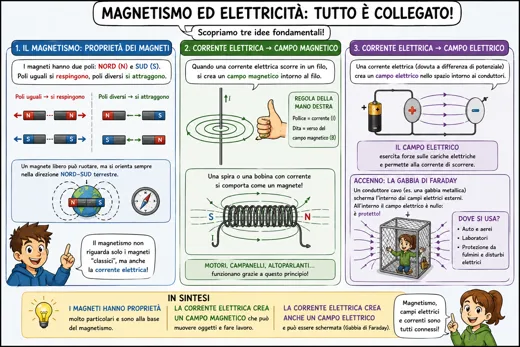
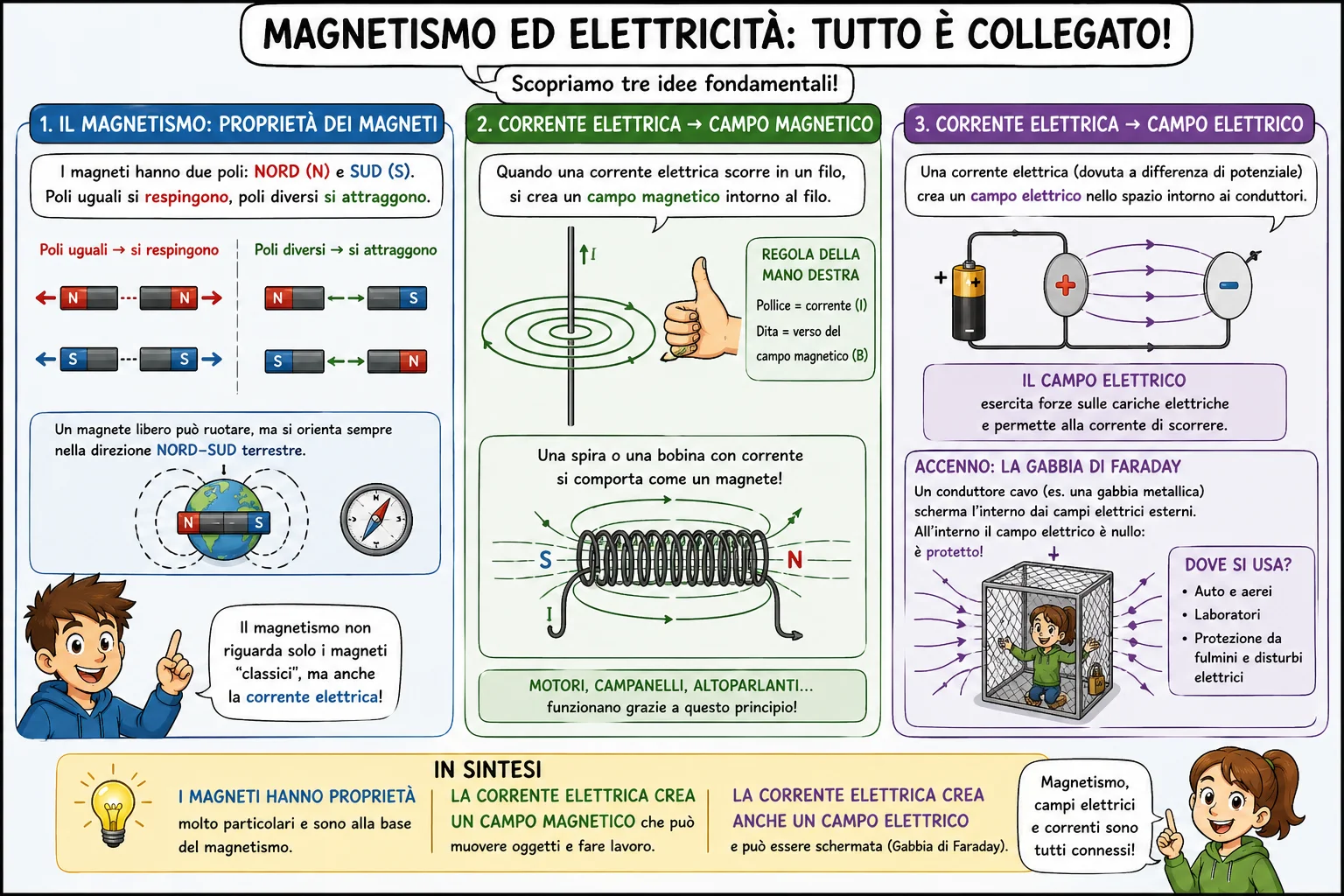
7Magnetism and electricity 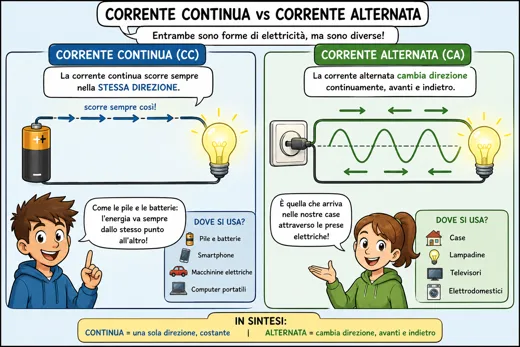
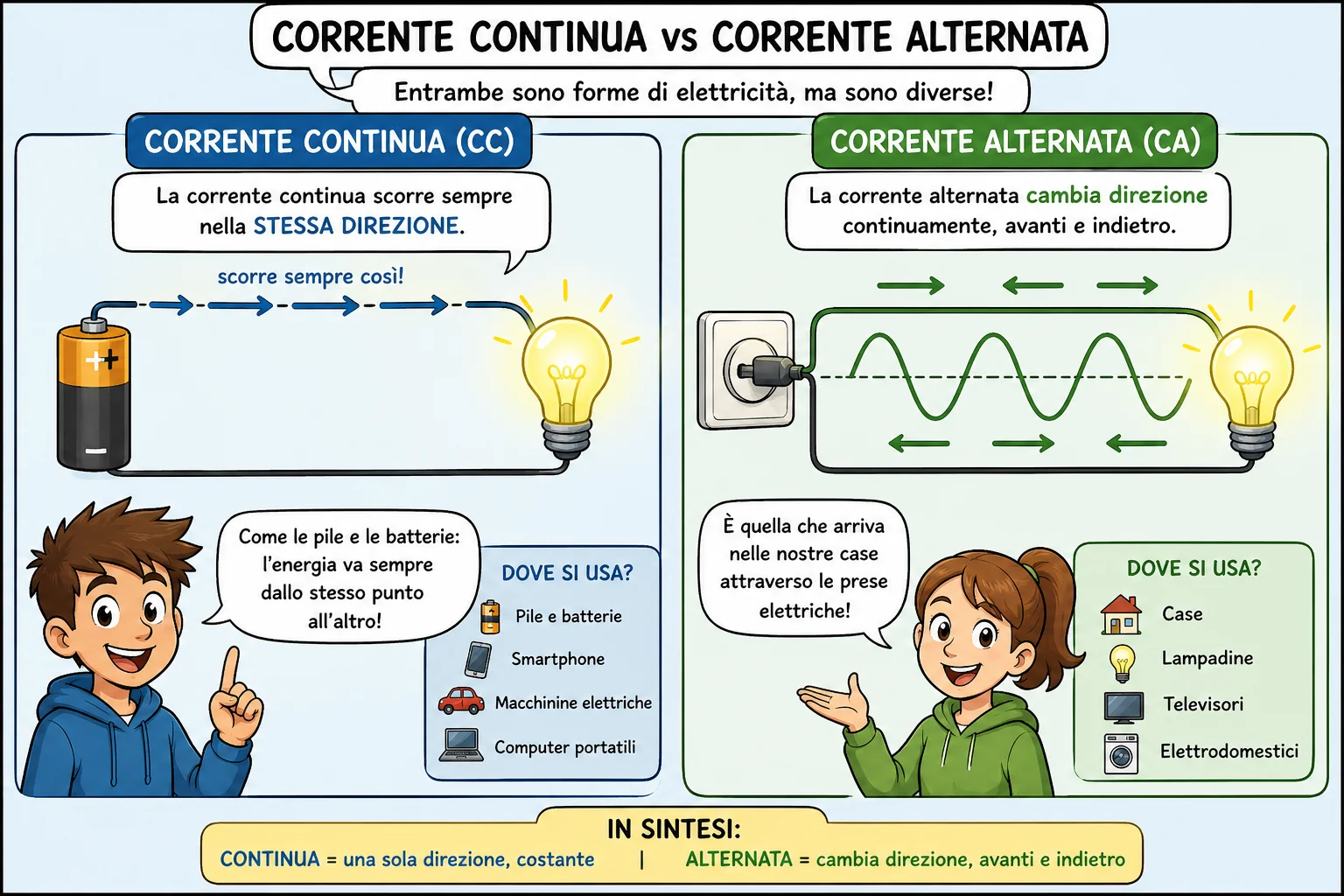
8Direct current and alternating current 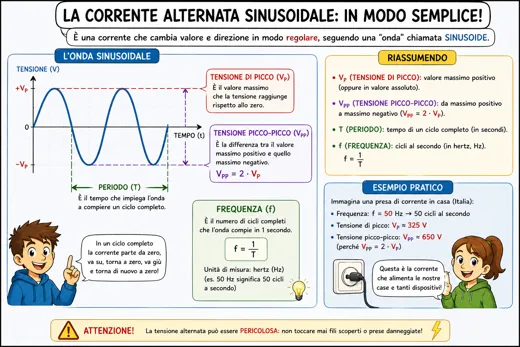
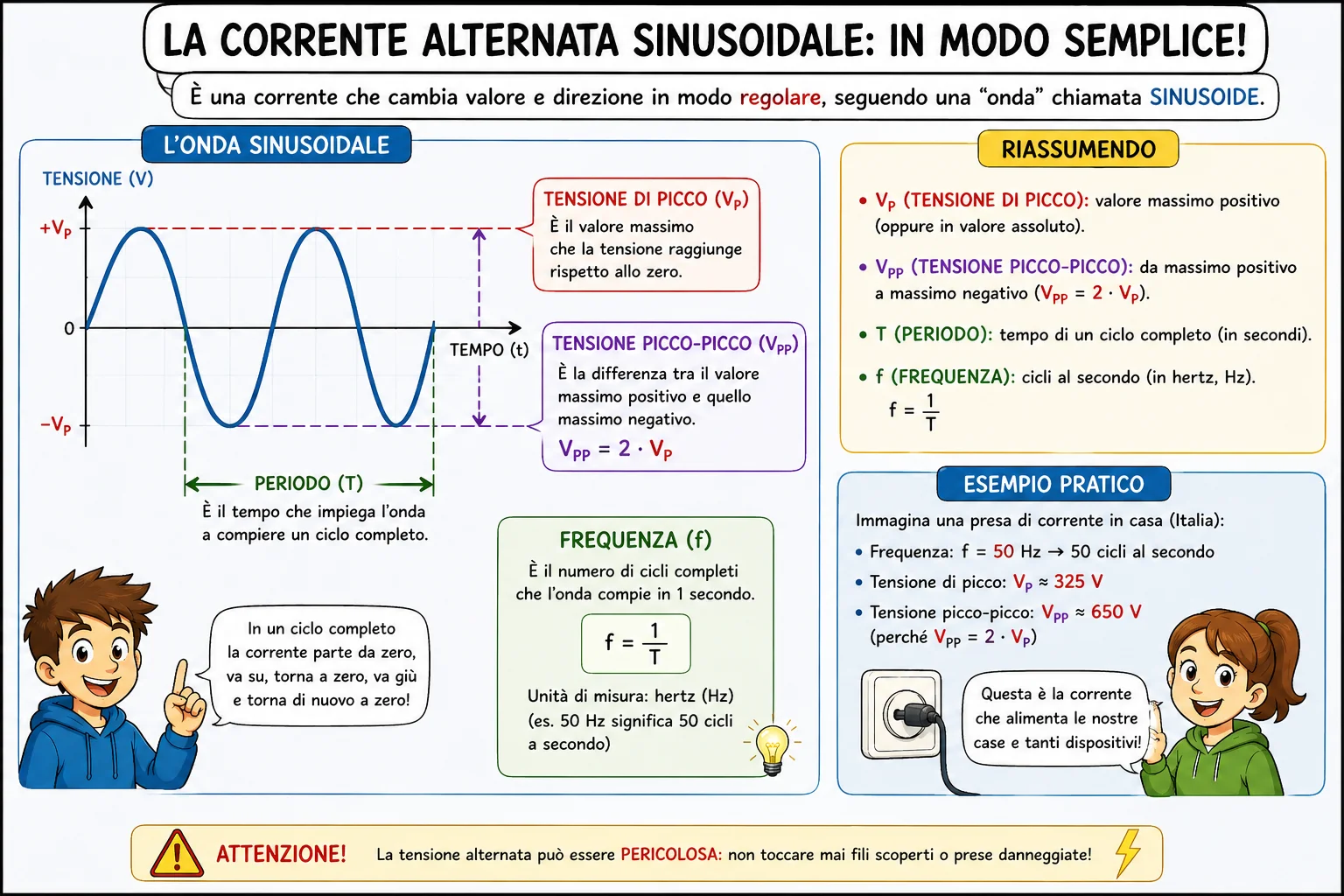
9Sinusoidal alternating current 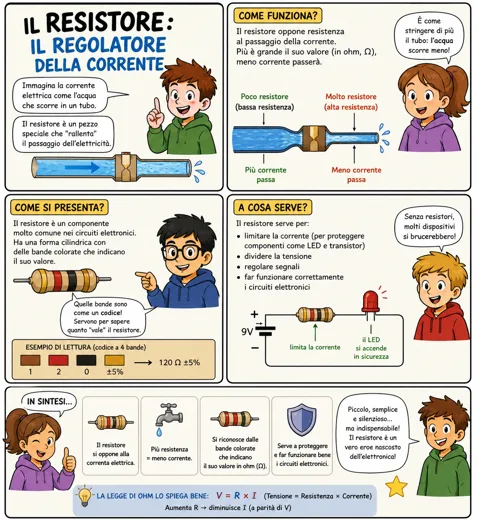
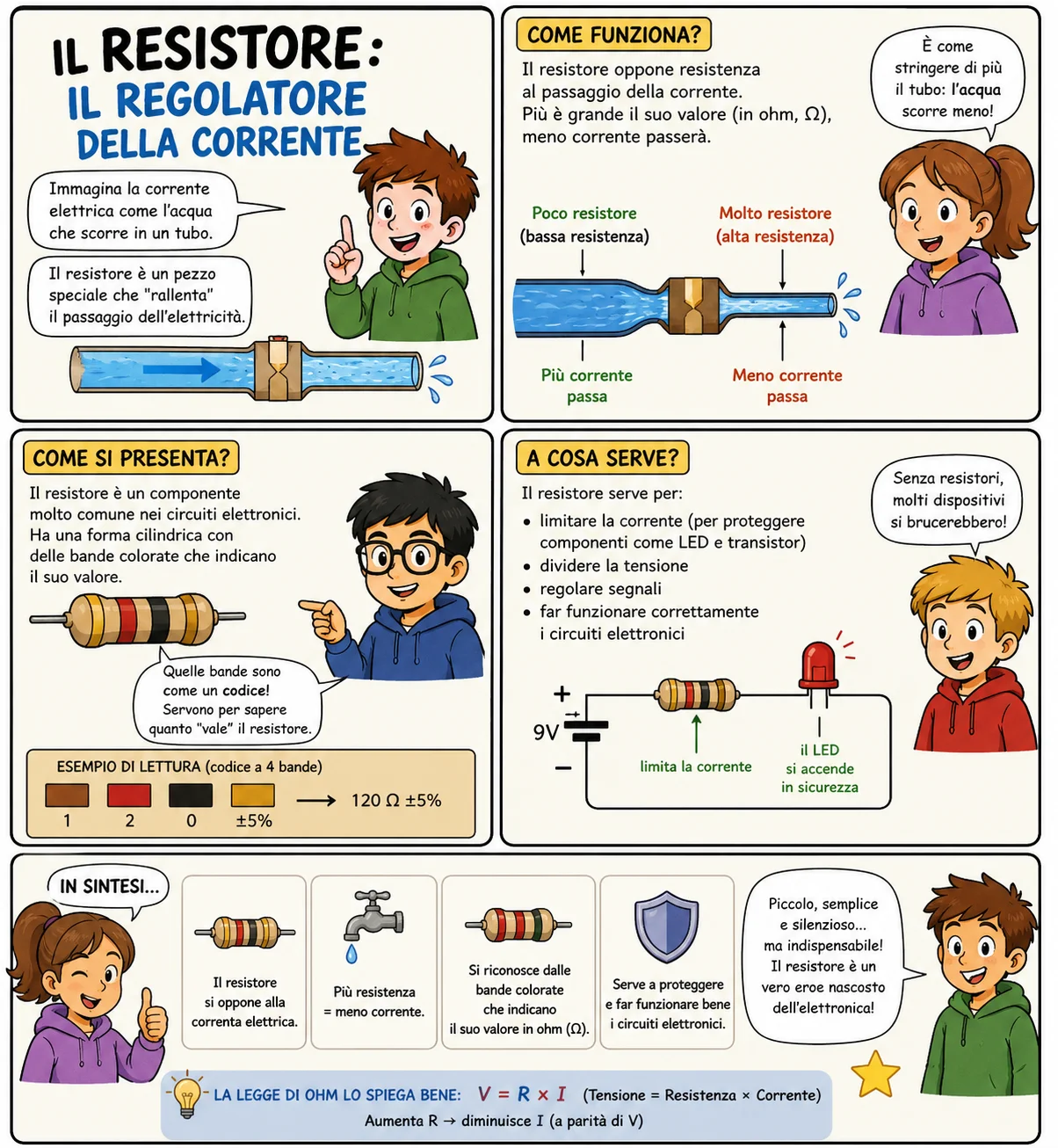
10The resistor 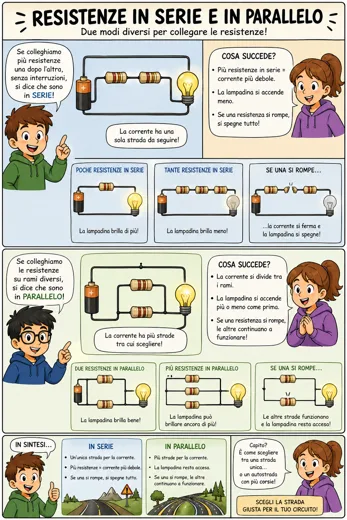
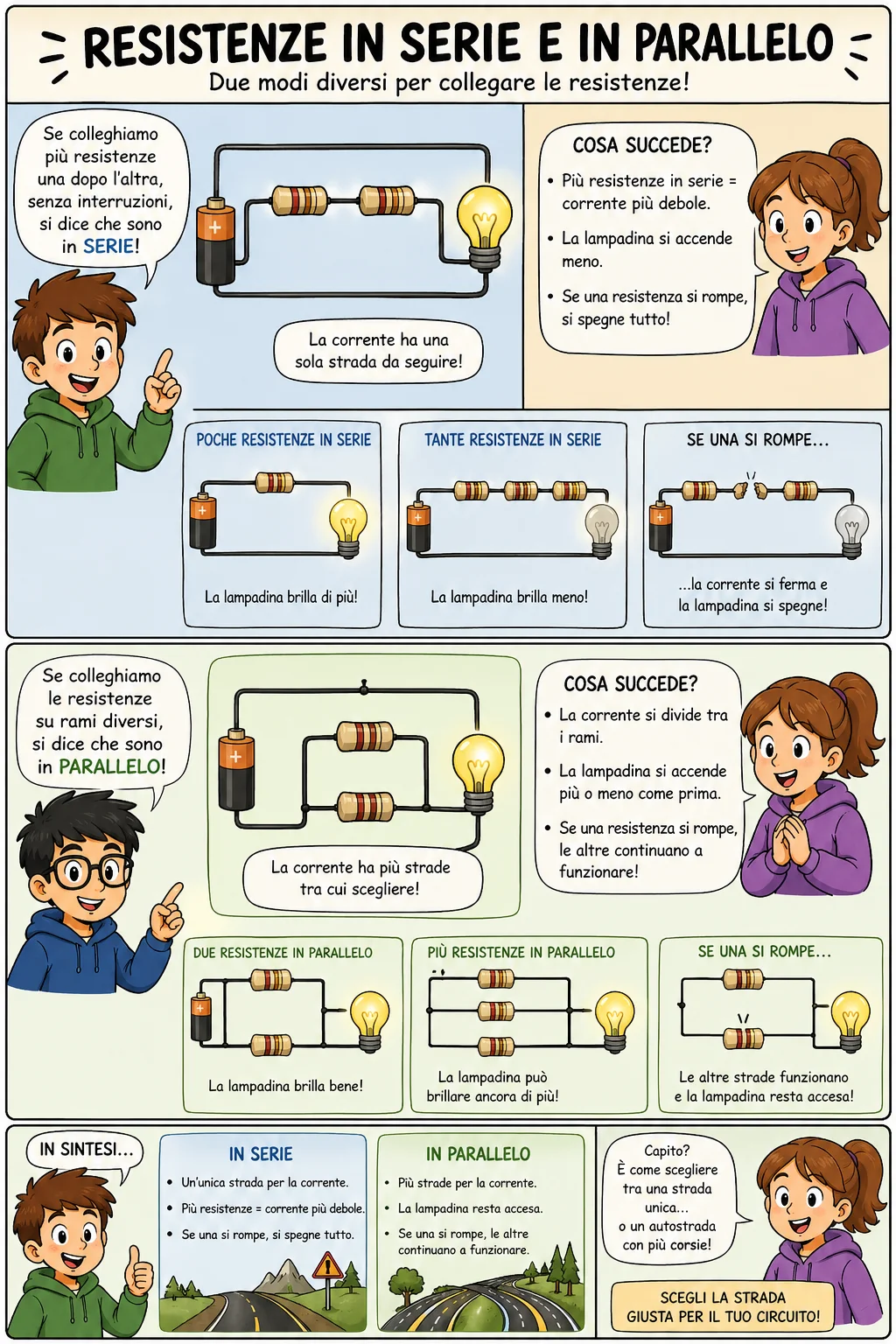
11Resistors in series and in parallel 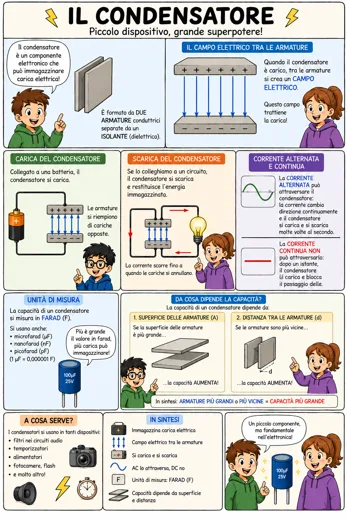
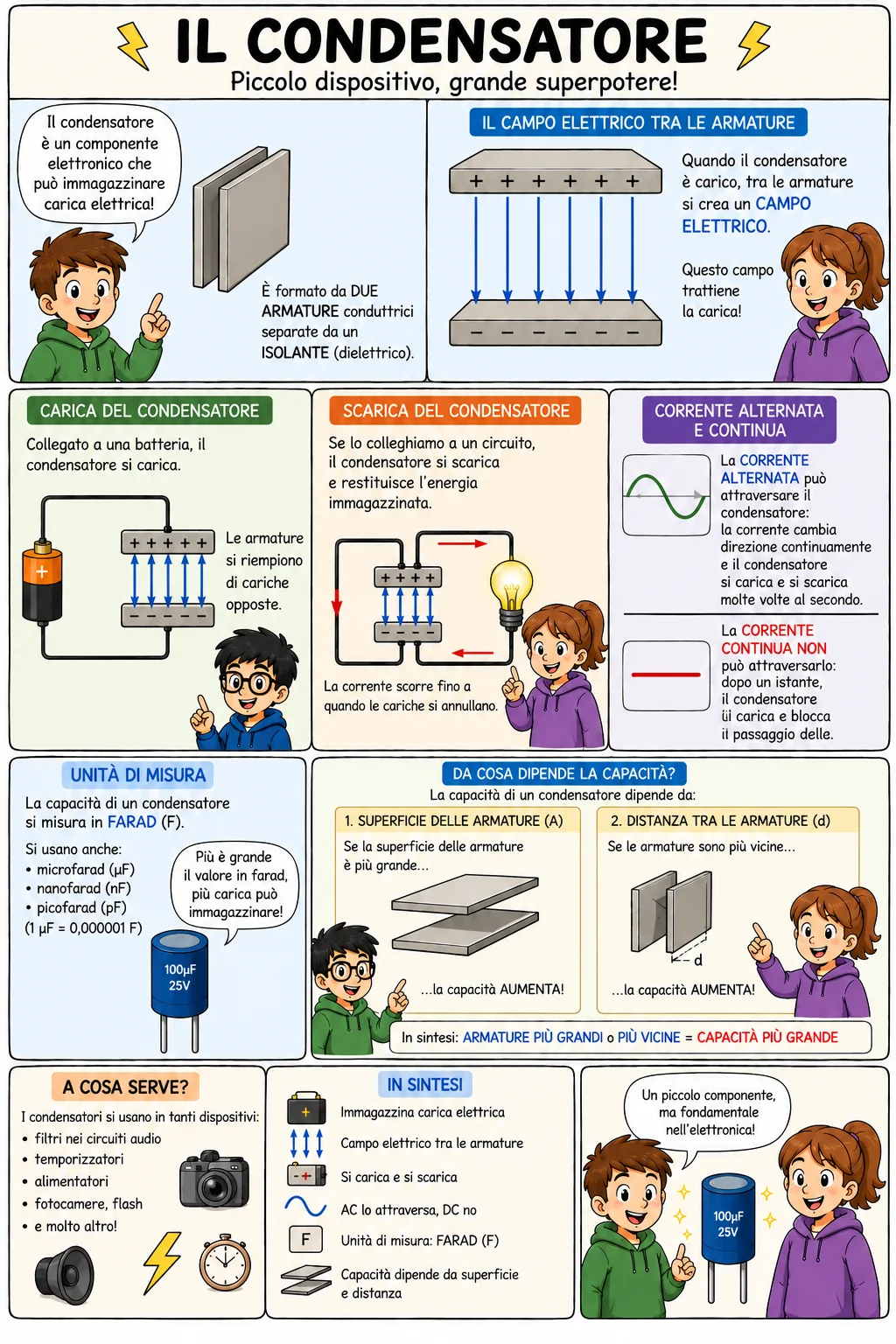
12The capacitor 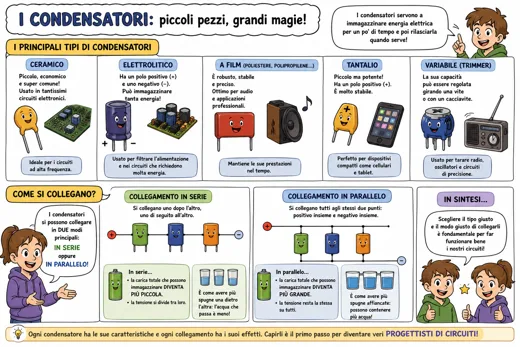
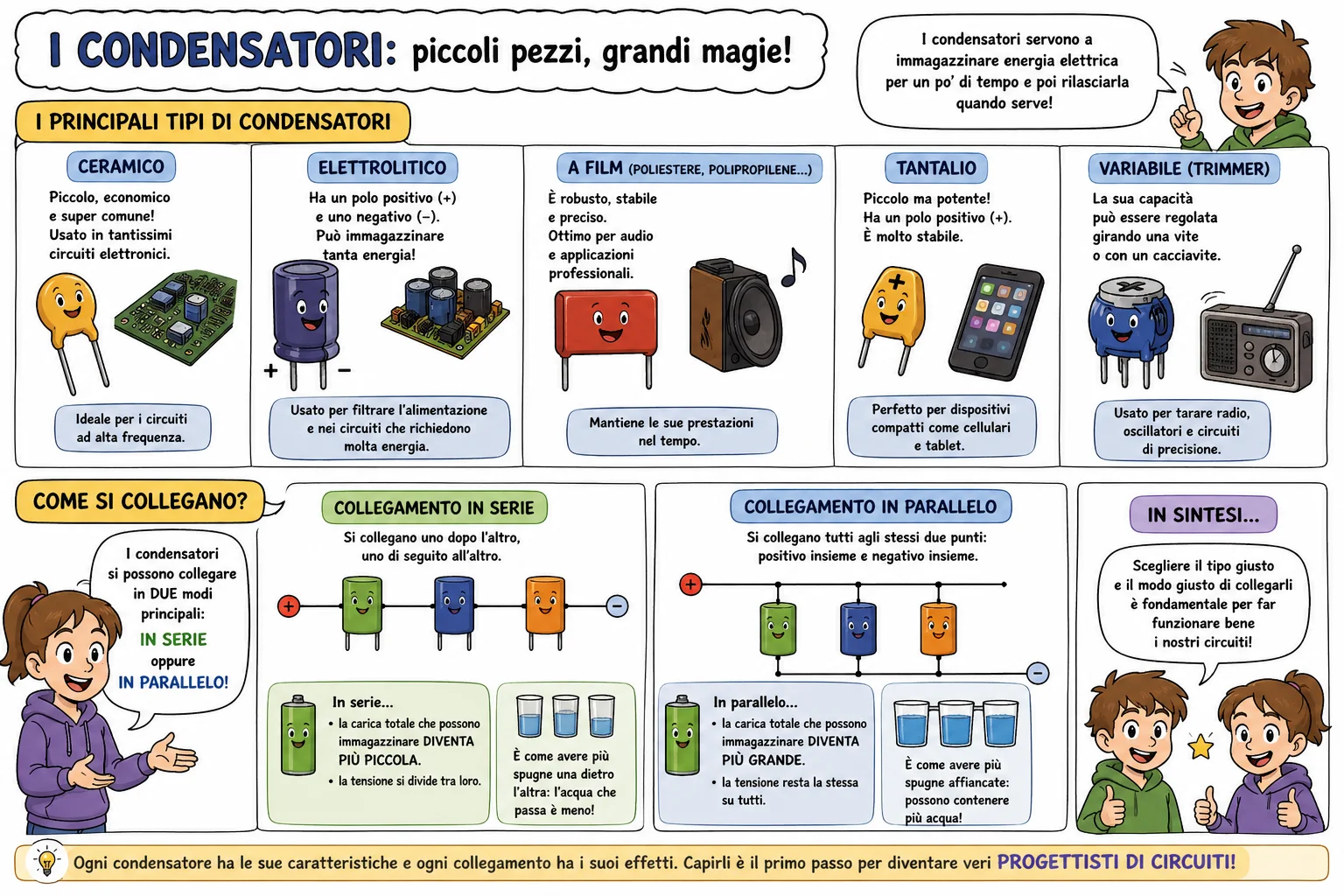
13Capacitors in series and in parallel 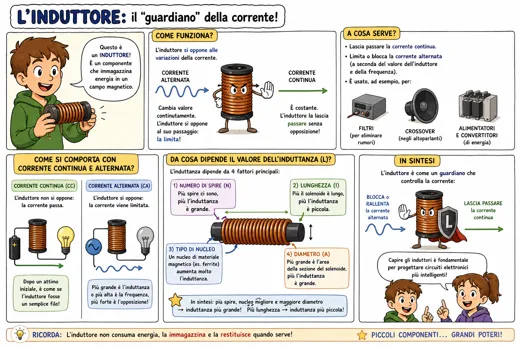
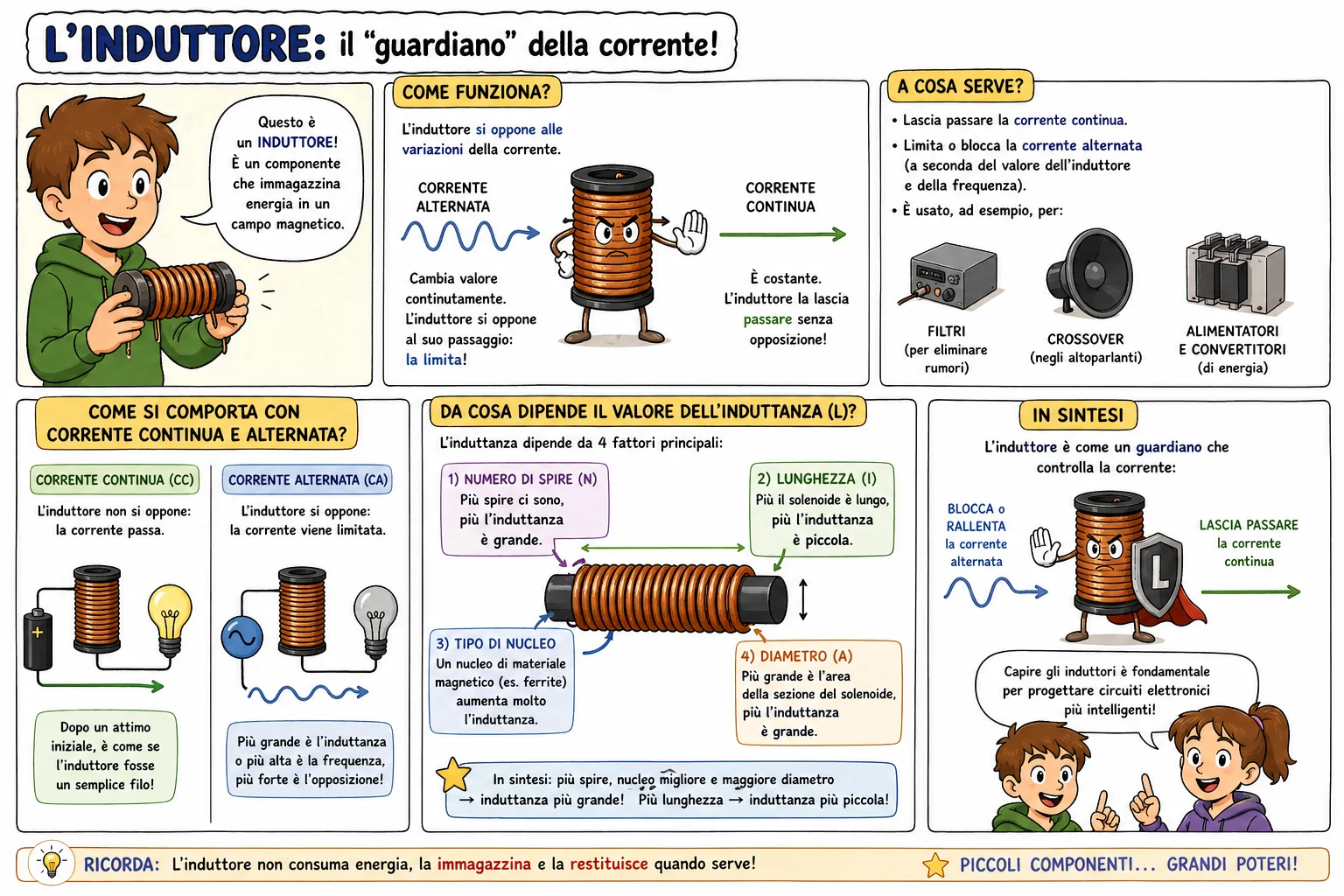
14The inductor 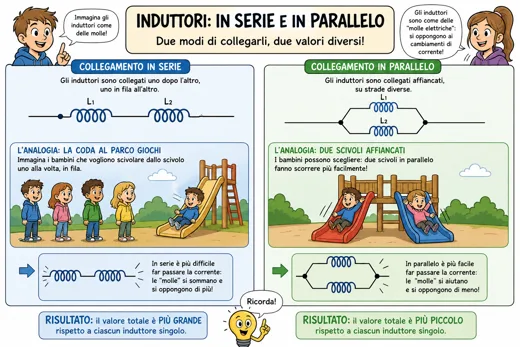
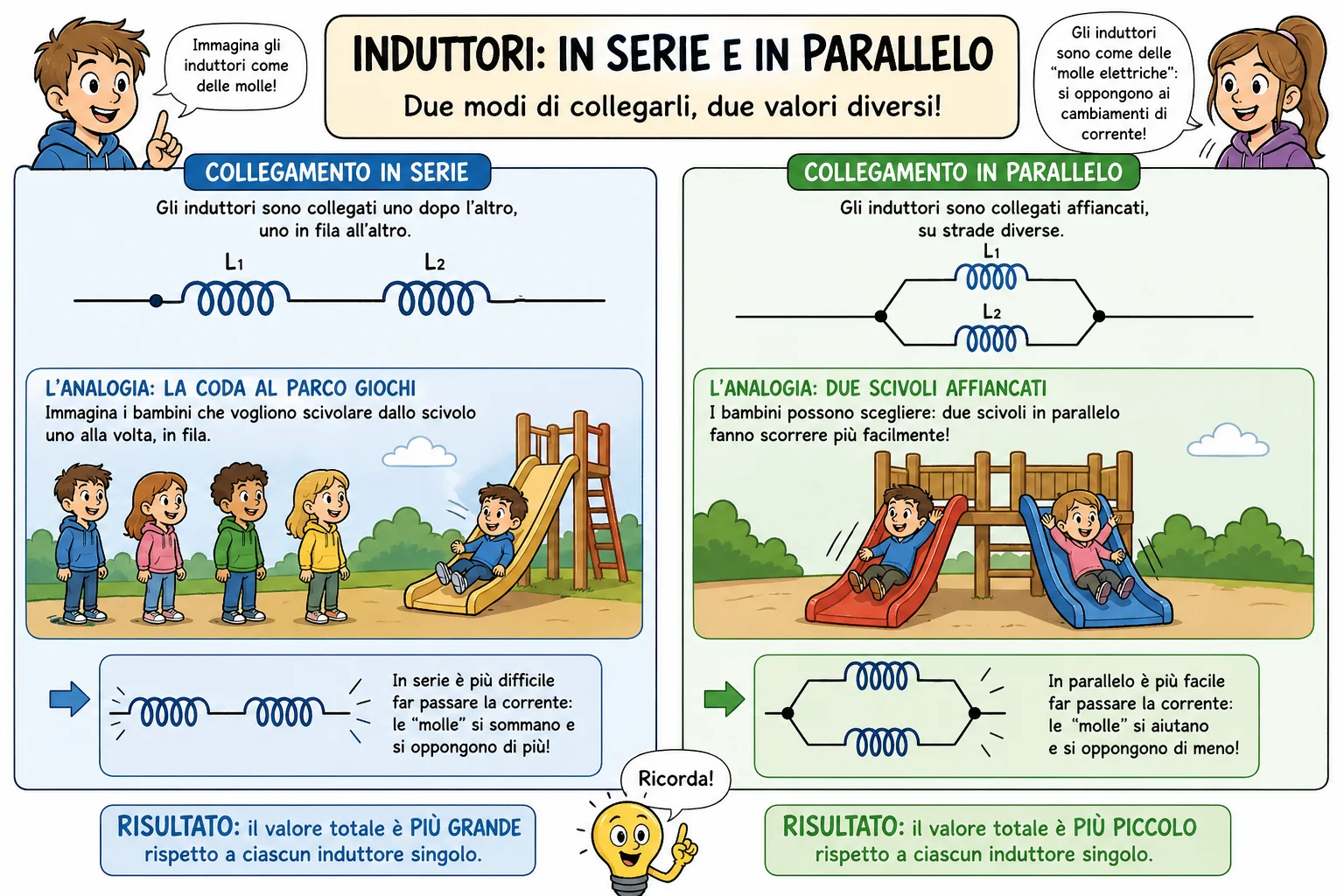
15Inductors in series and in parallel 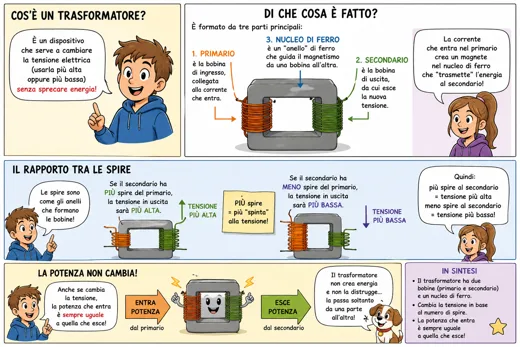
16The transformer 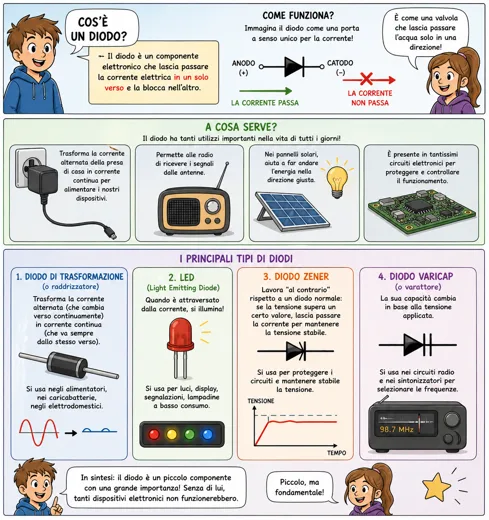
17The diode 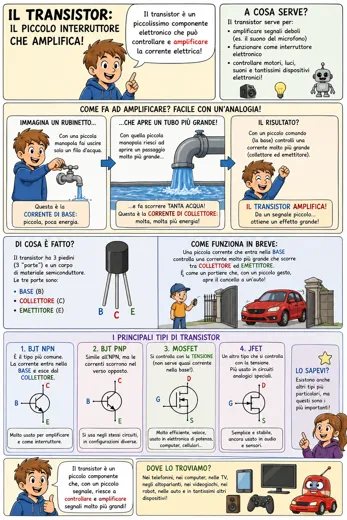
18The transistor 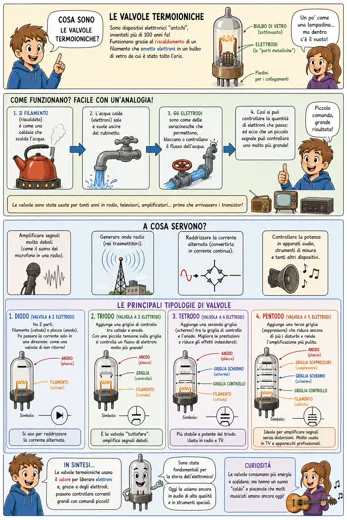
19Vacuum tubes
Part two: signals, circuits, receivers, transmitters and antennas lessons 21–45
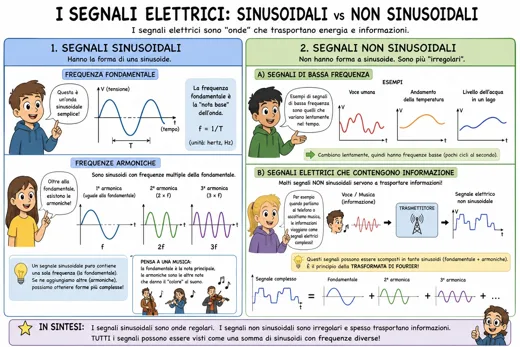
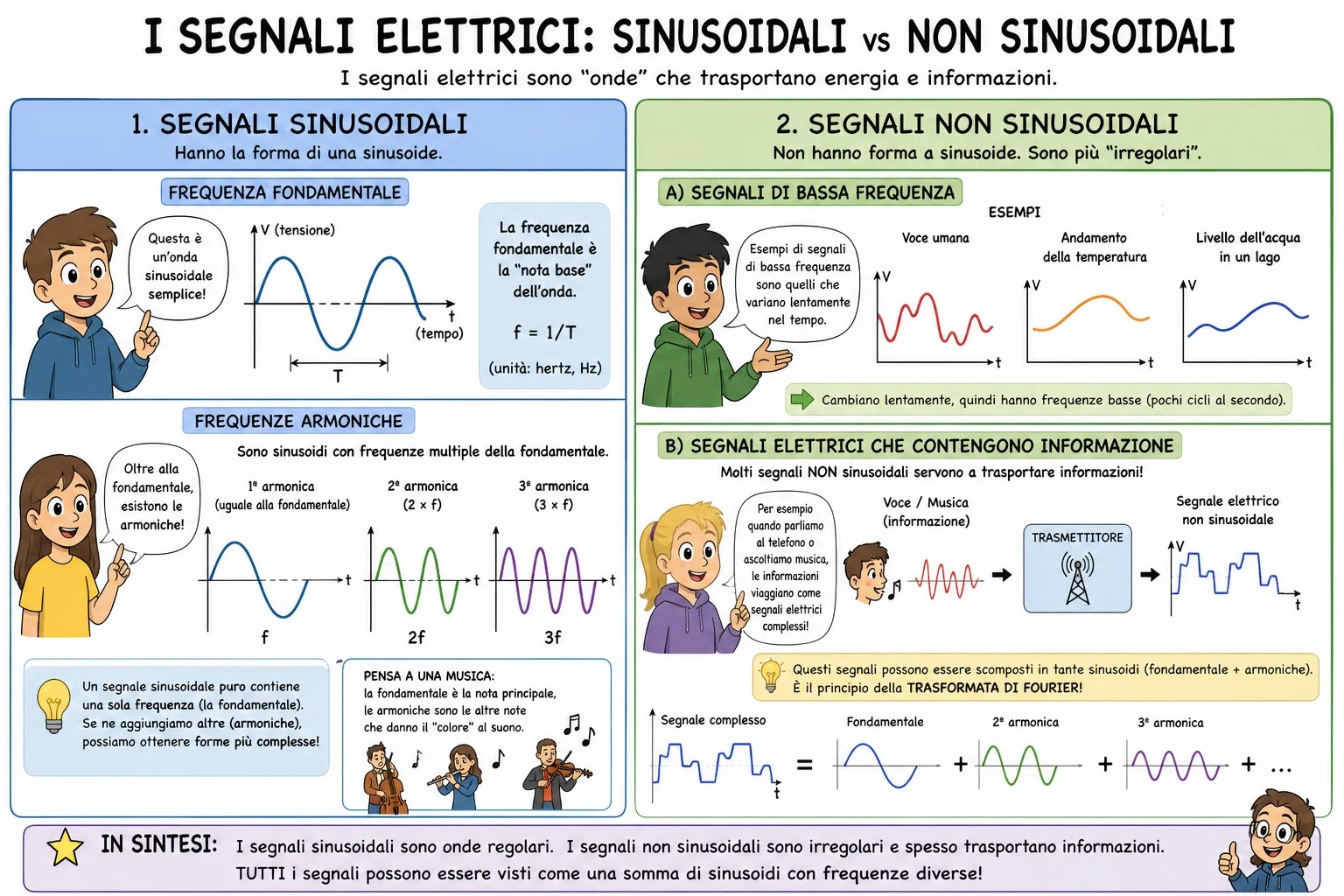
21Sinusoidal and non-sinusoidal signals 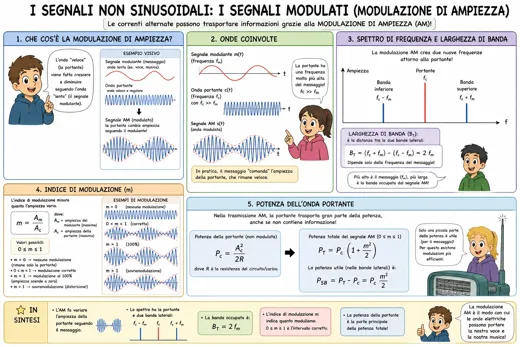
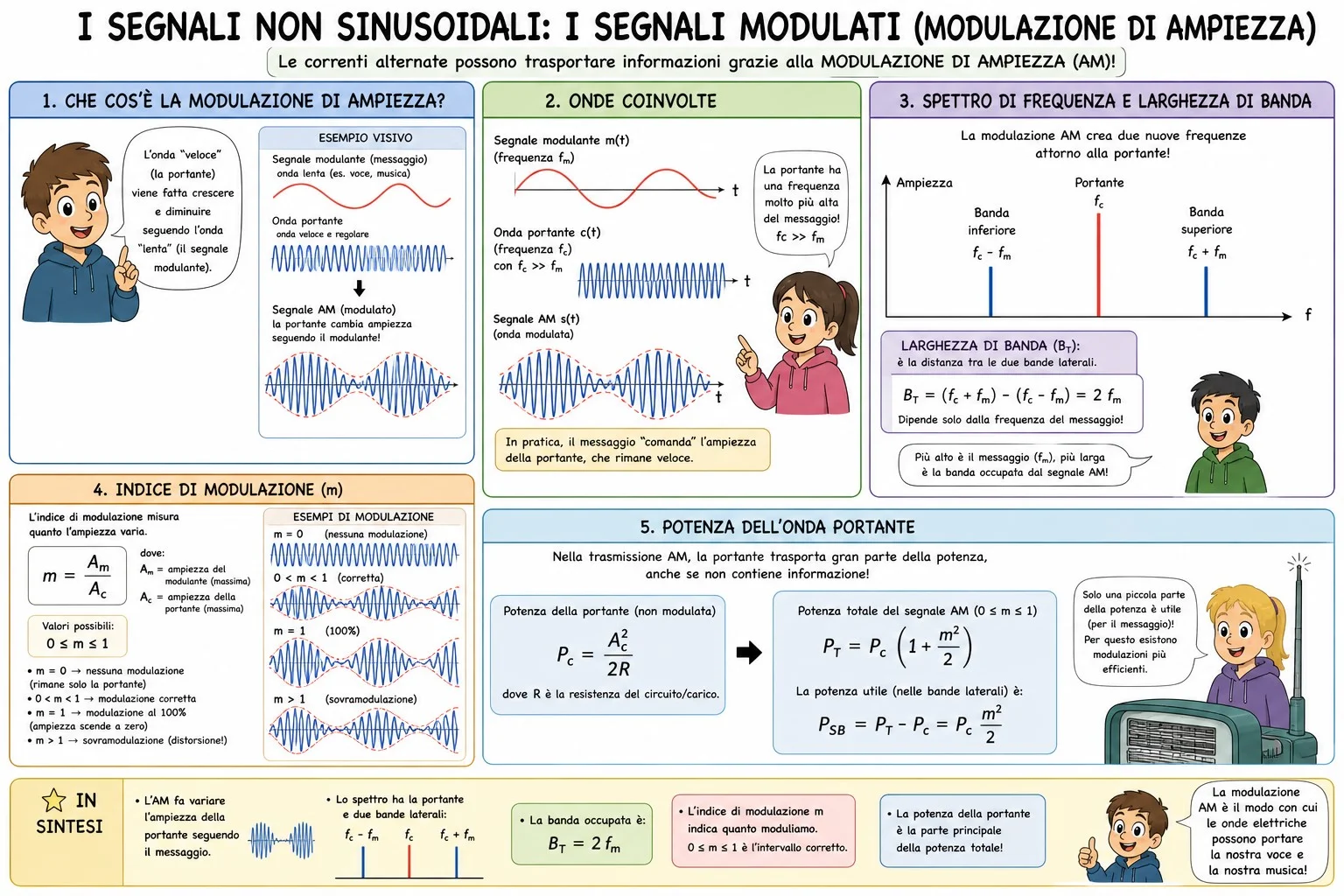
22Modulated signals: amplitude modulation (AM) 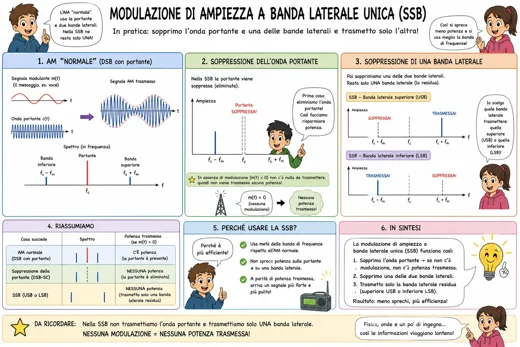
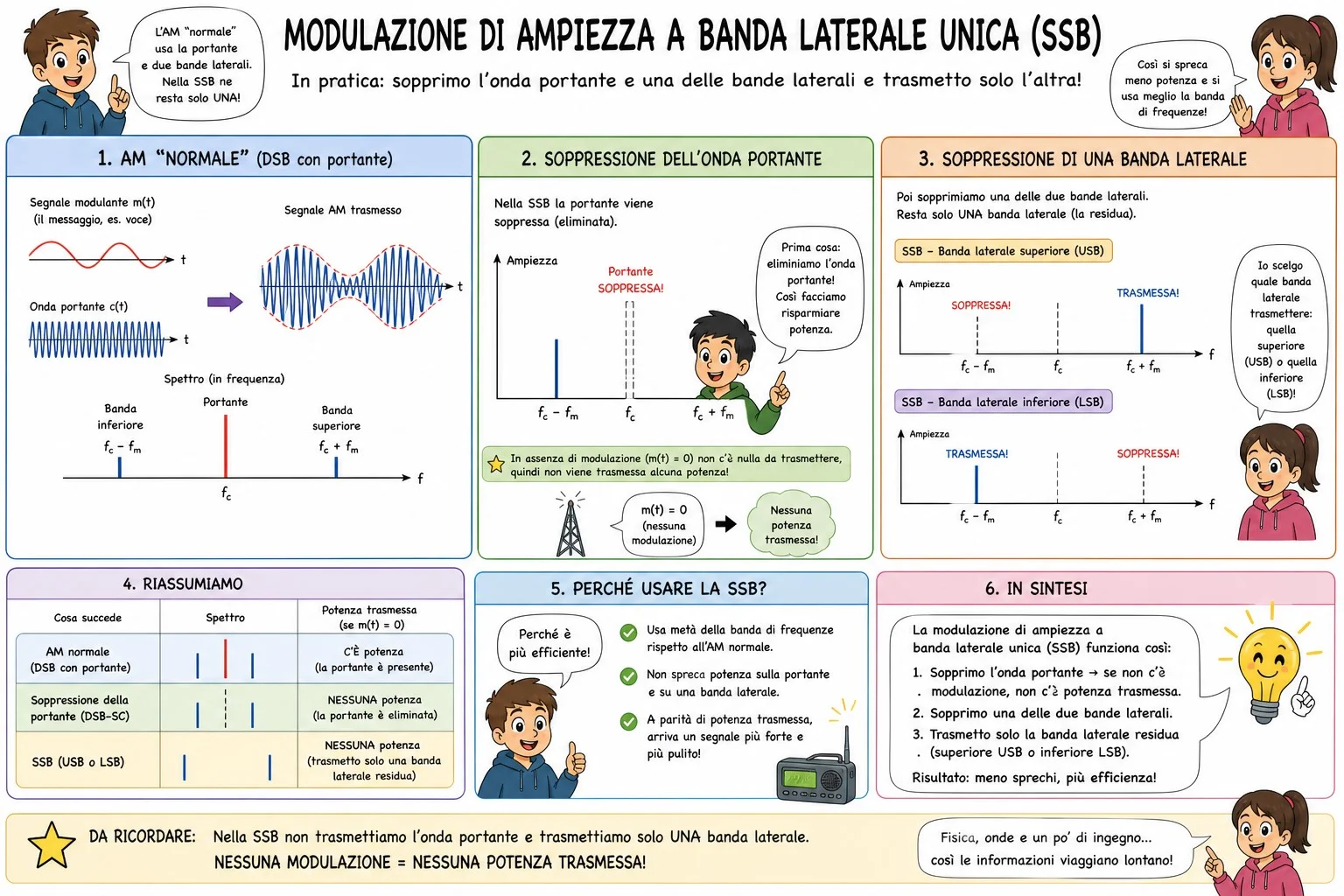
23Single sideband modulation (SSB) 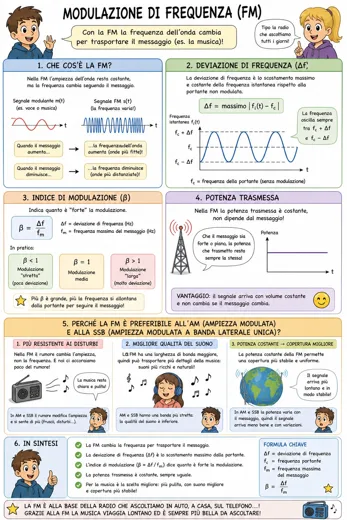
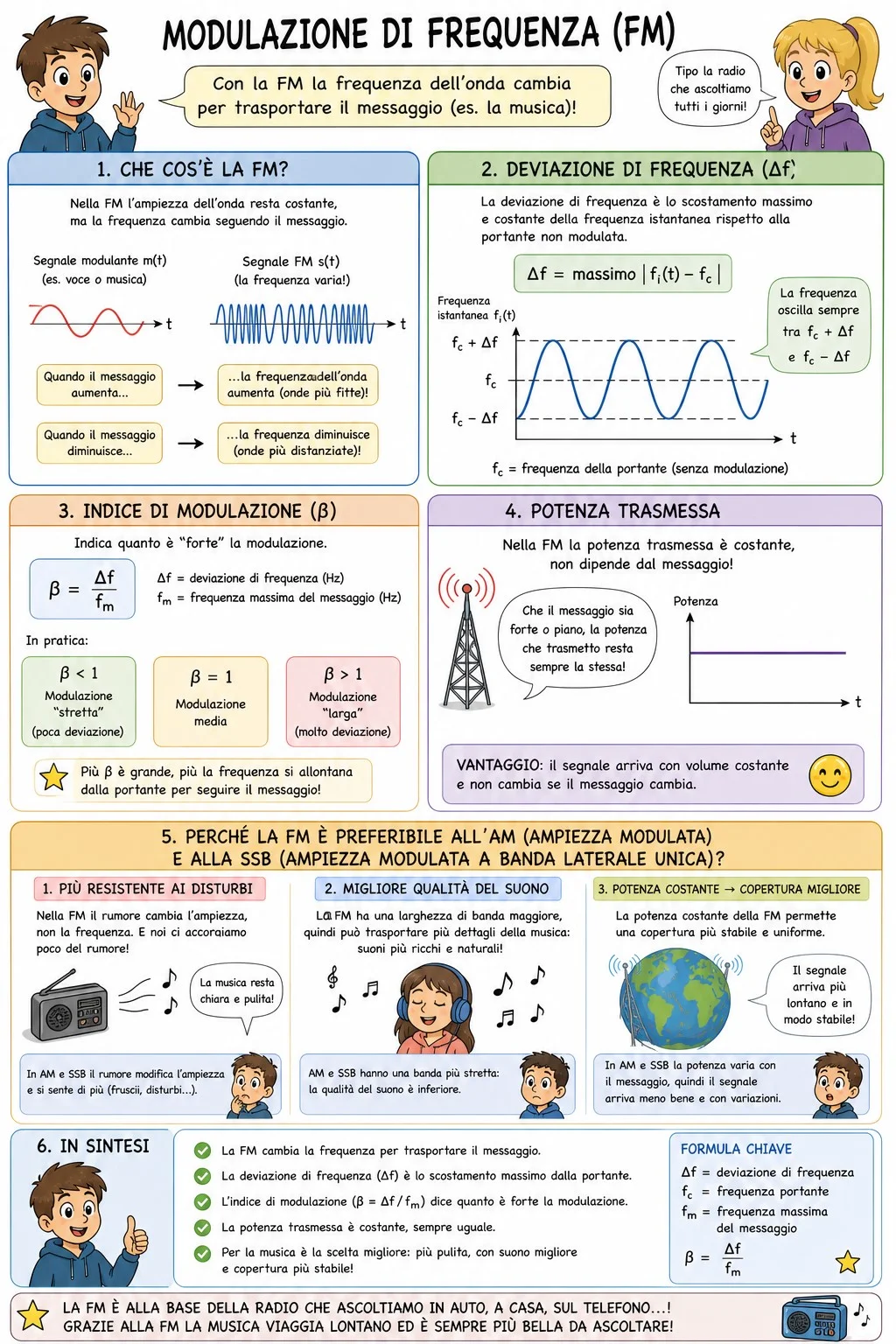
24Frequency modulation (FM) 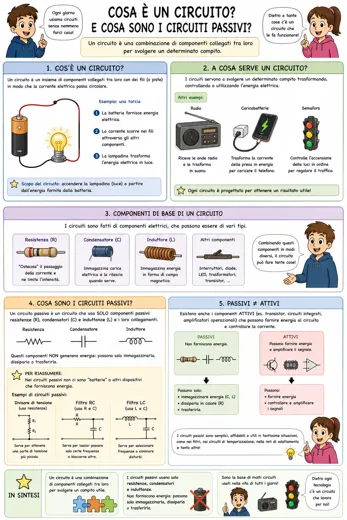
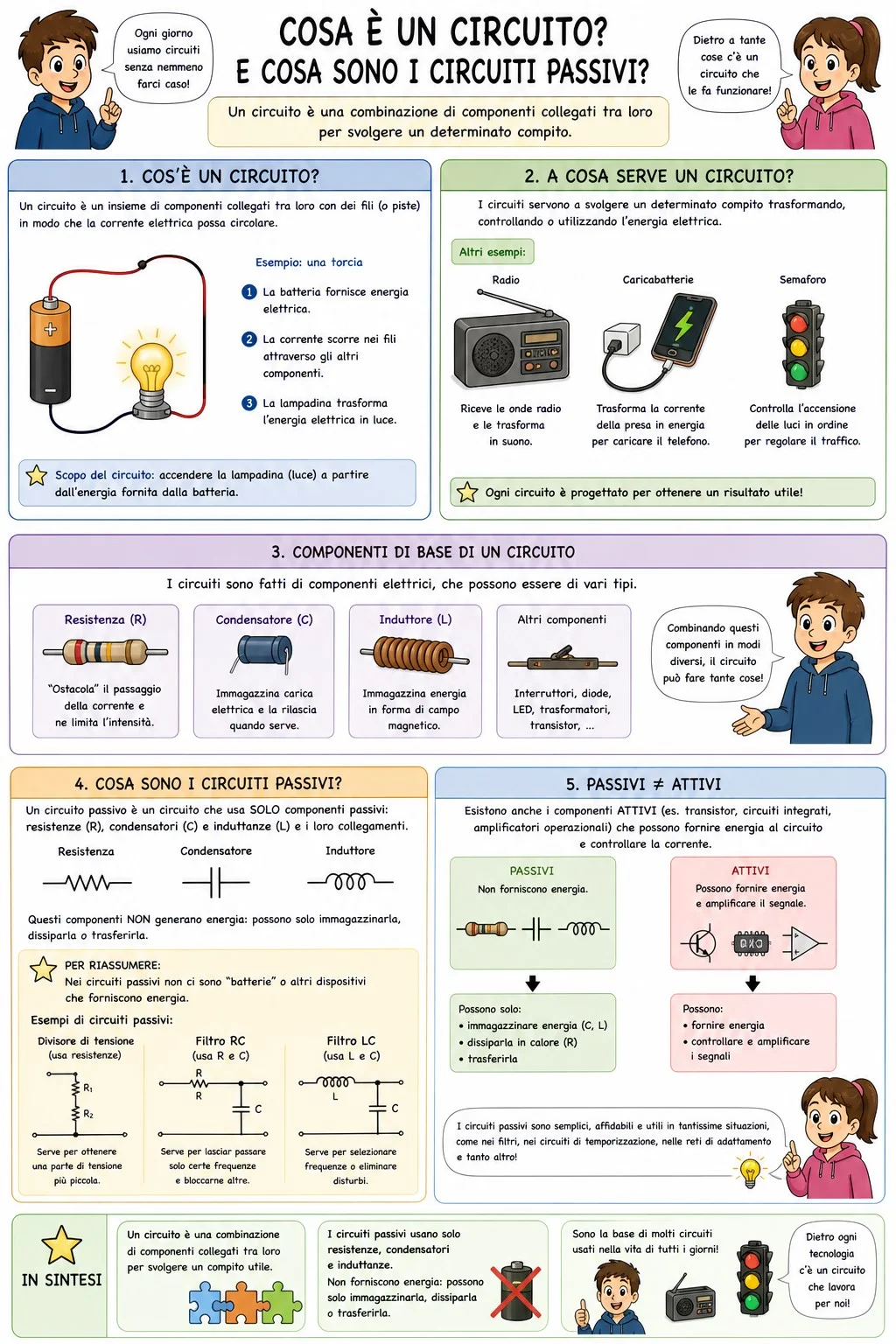
25What is a circuit? Passive circuits 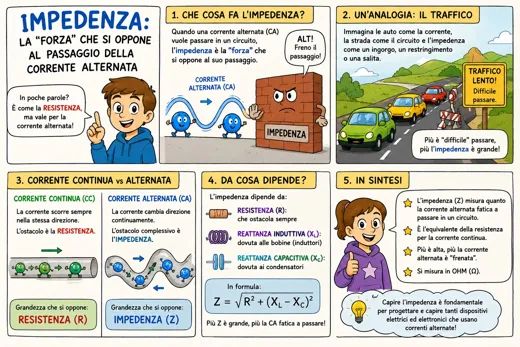
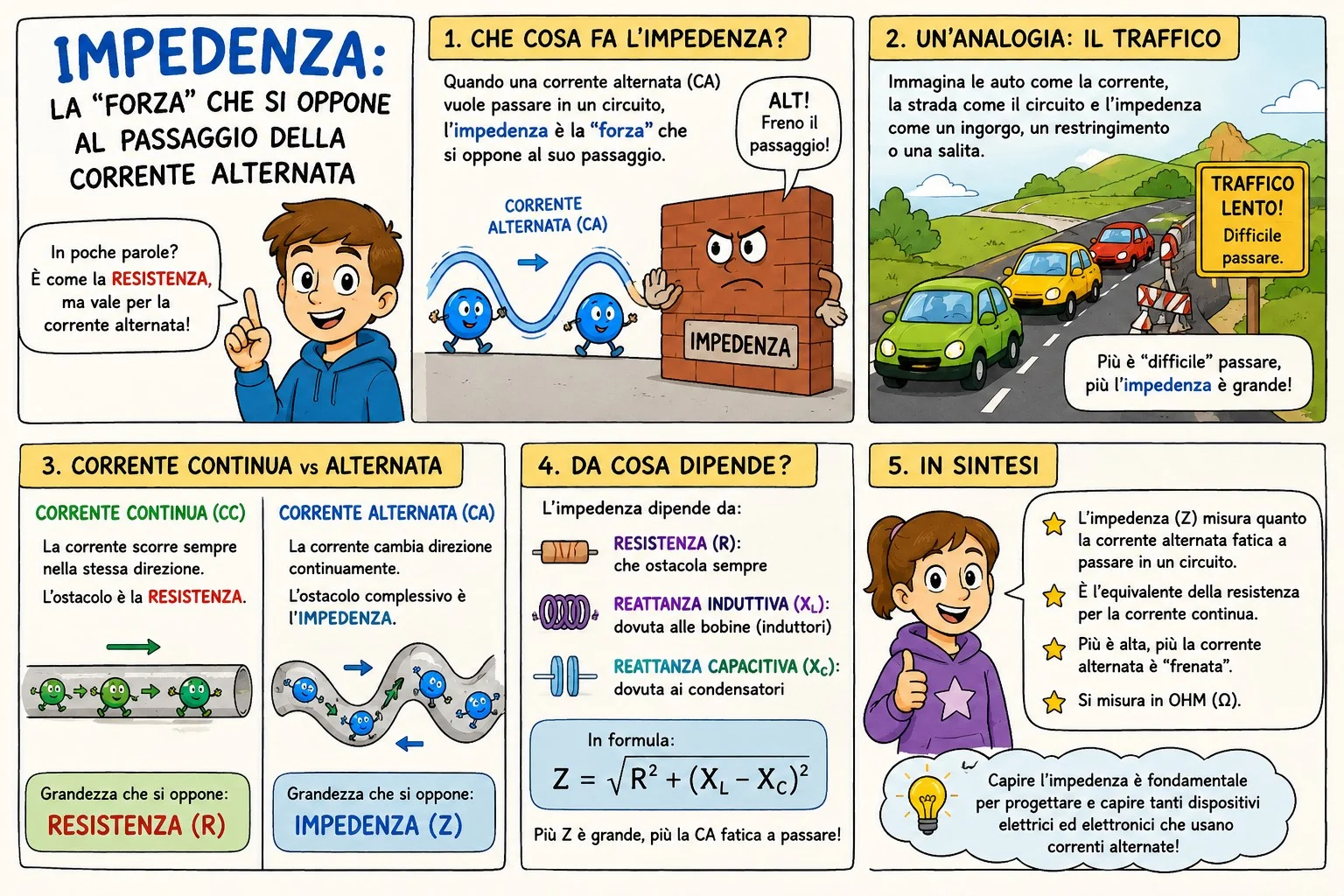
26Impedance 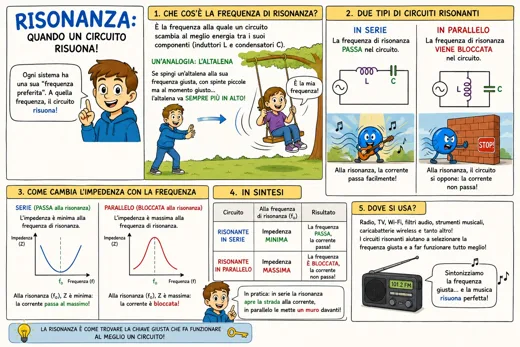
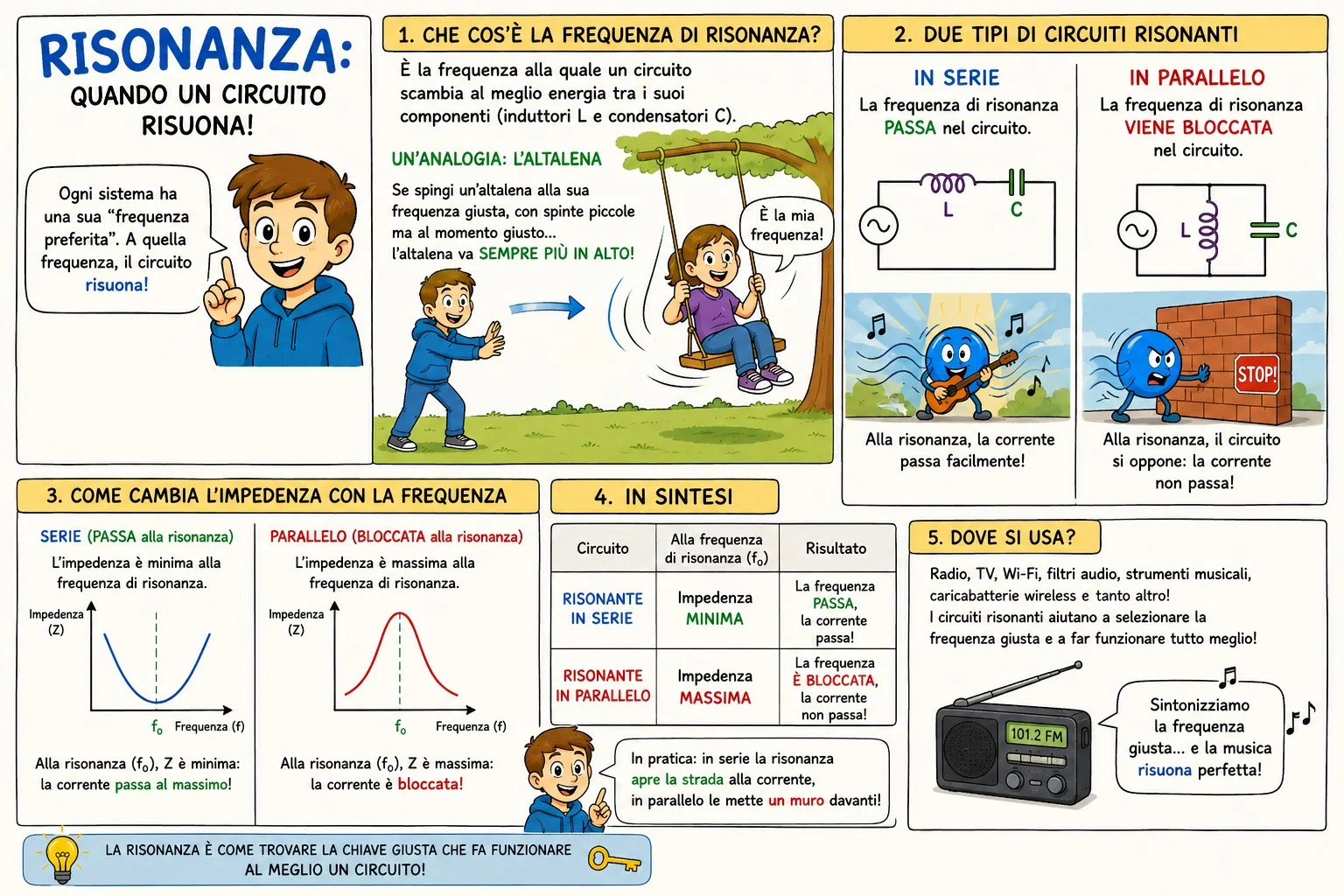
27Resonance and resonant circuits 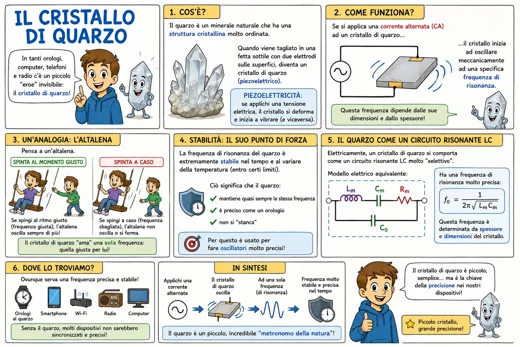
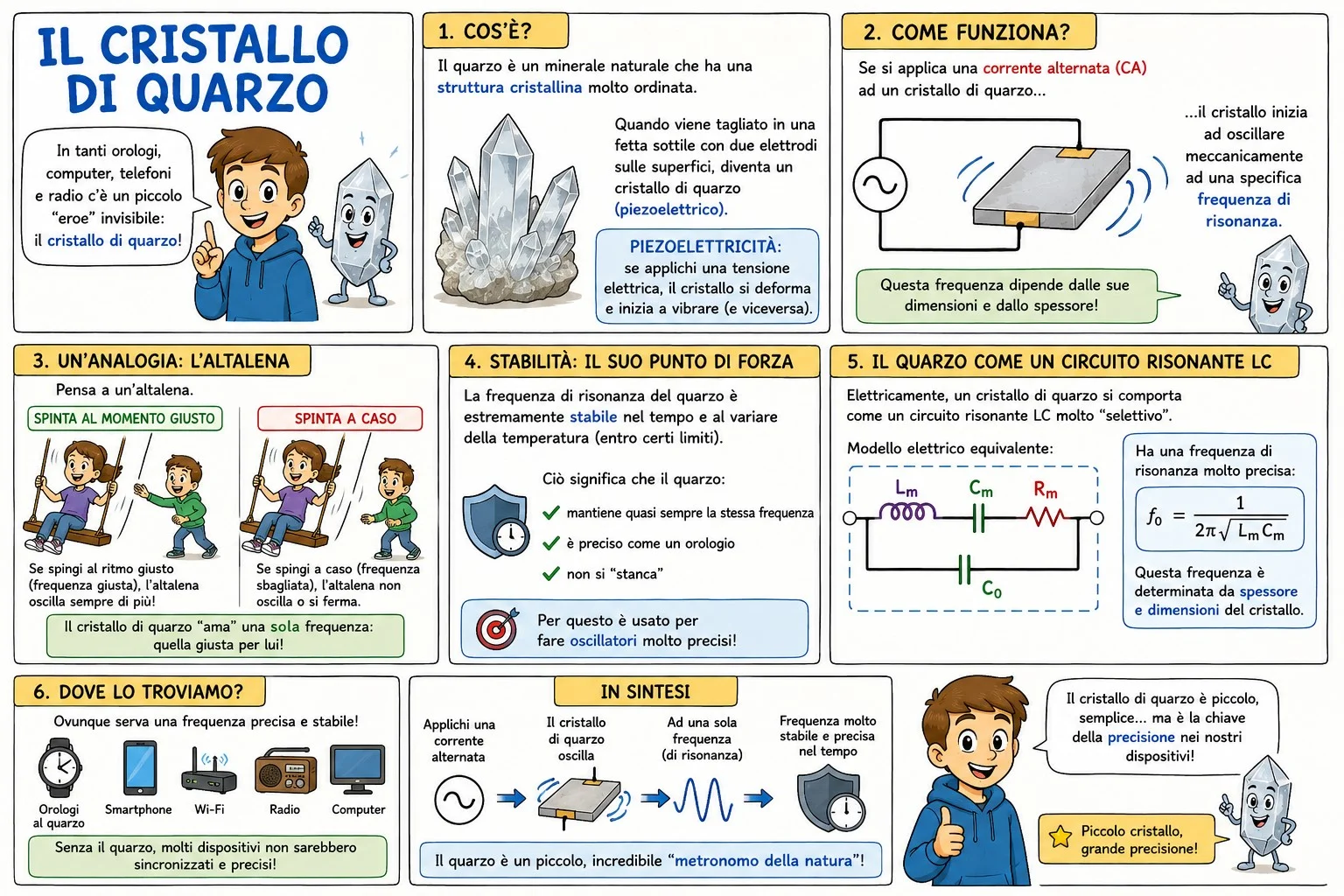
28The quartz crystal 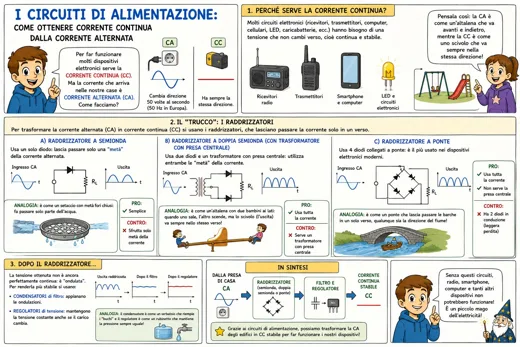
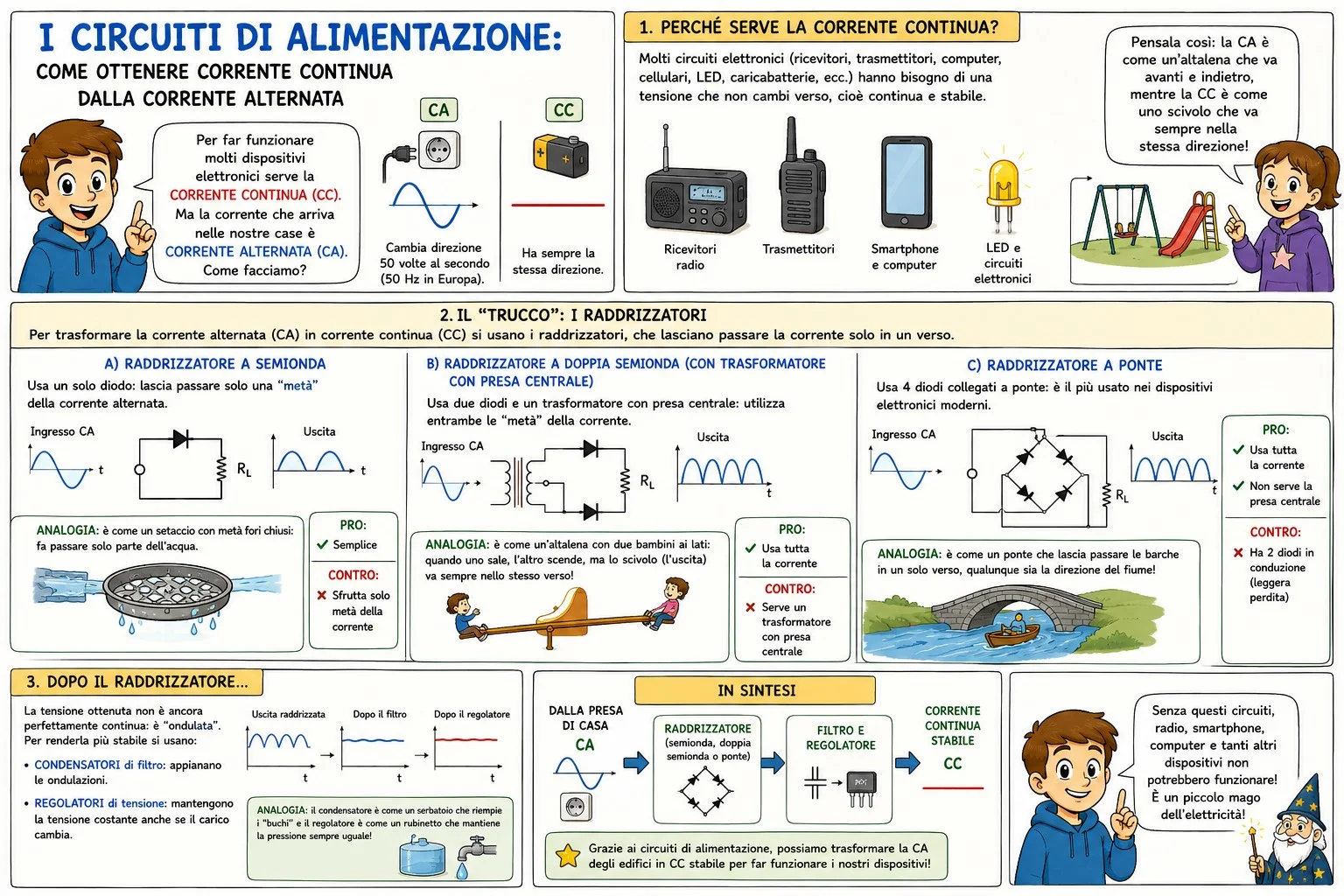
29Power supply circuits 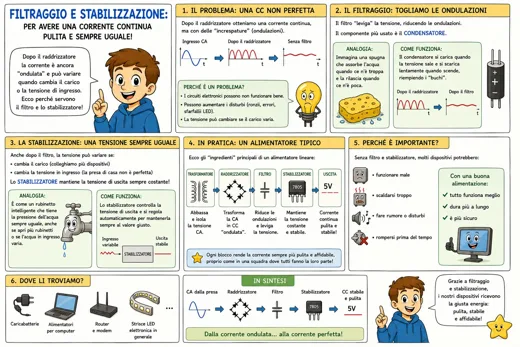
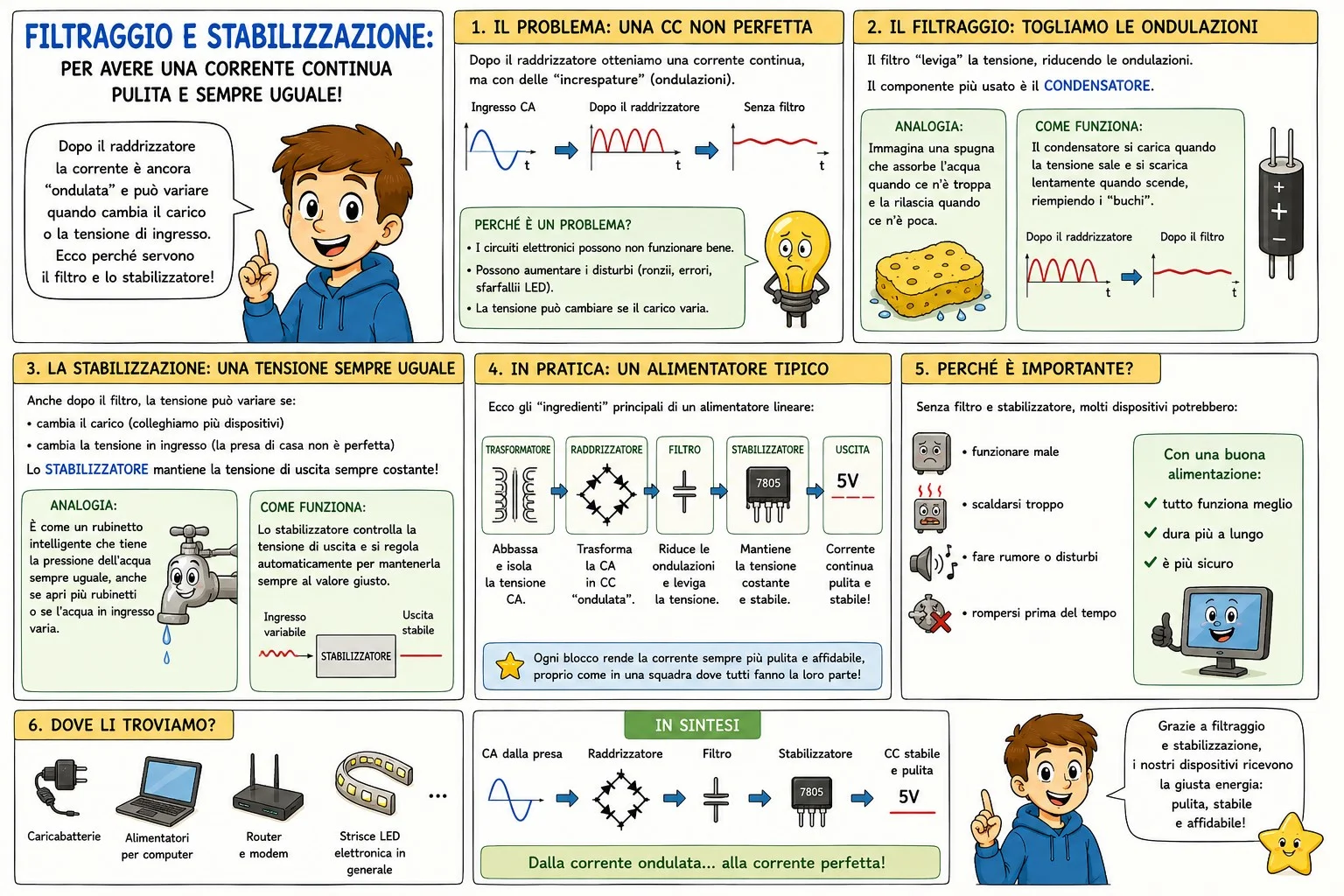
29 bisFiltering and regulation 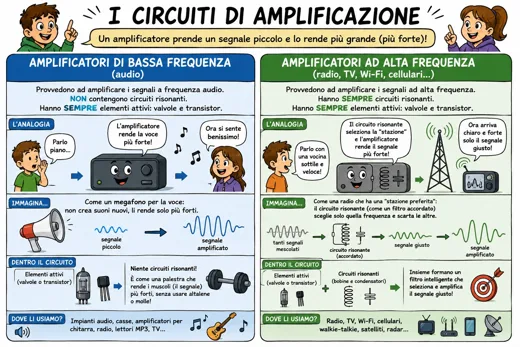
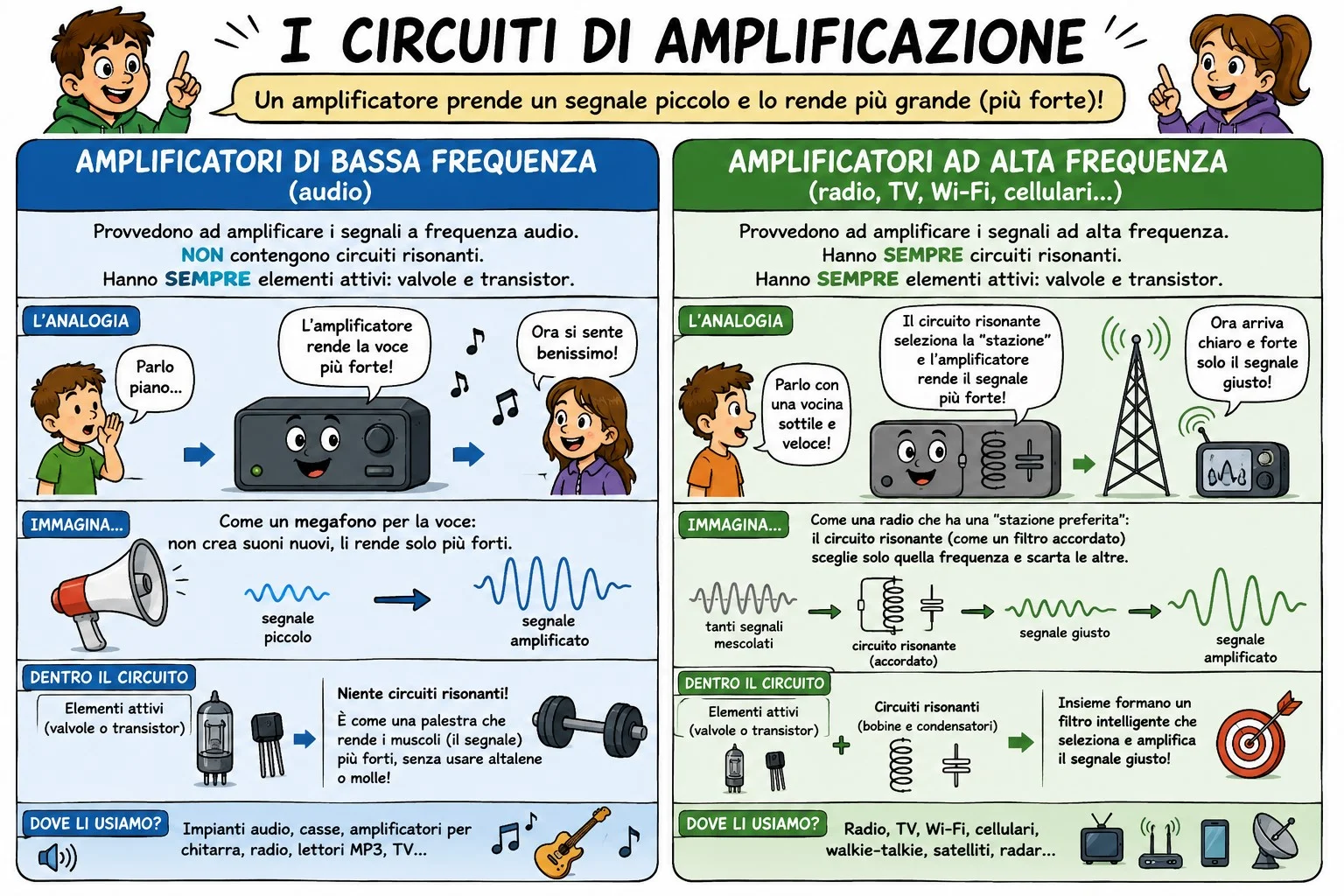
30Amplifier circuits 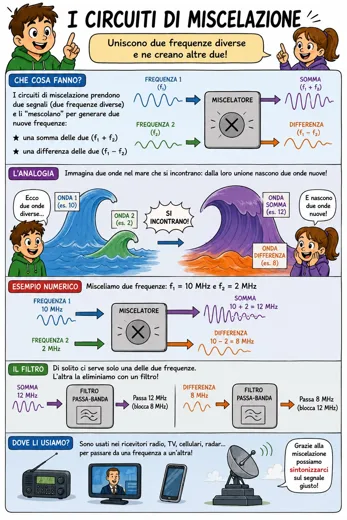
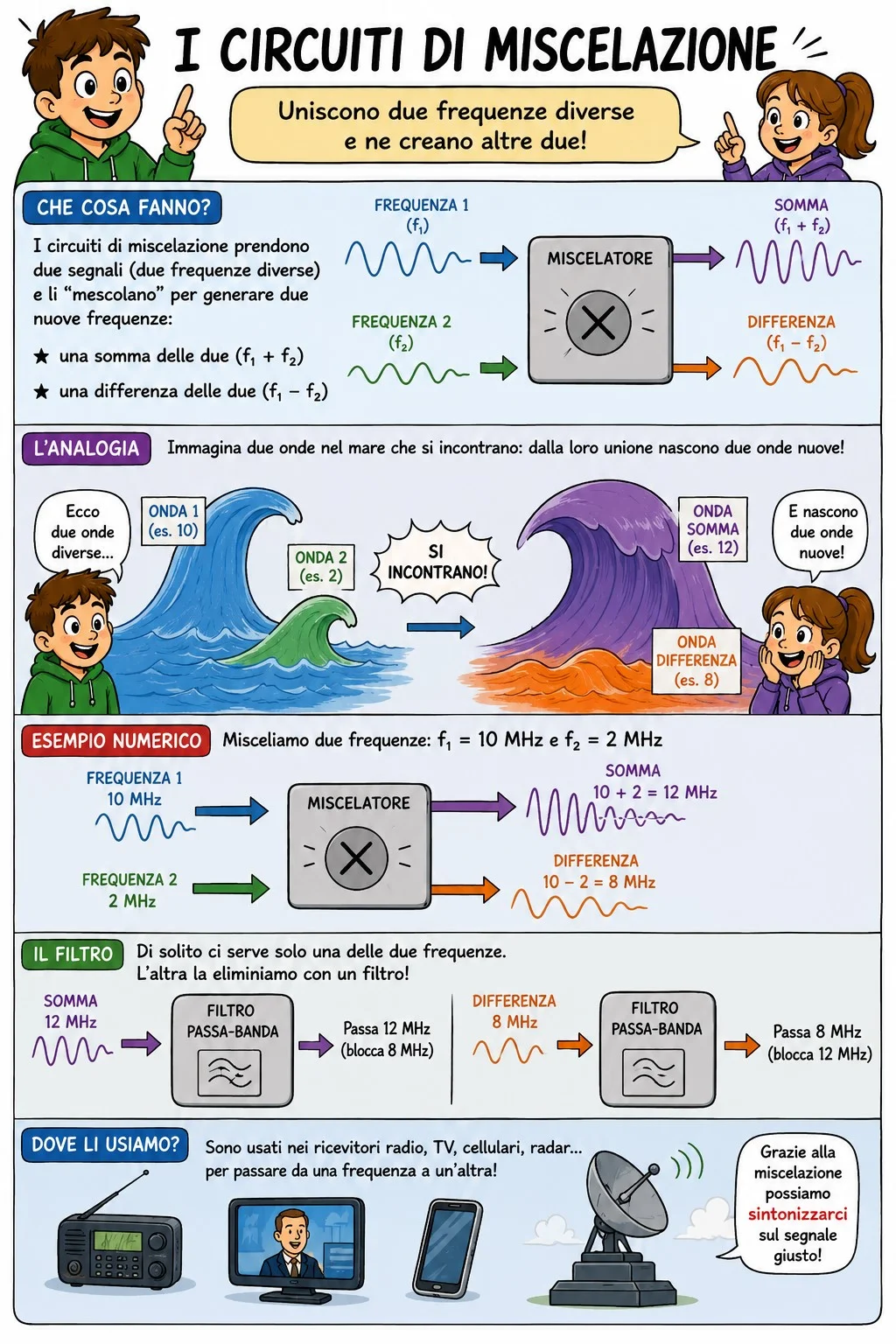
31Mixer circuits 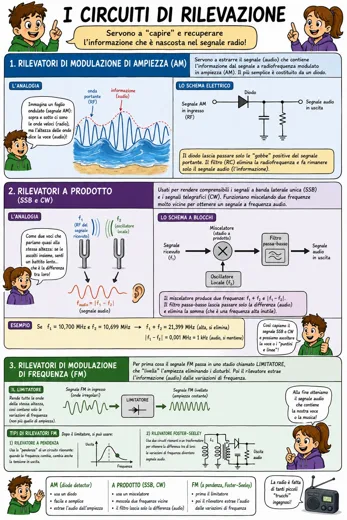
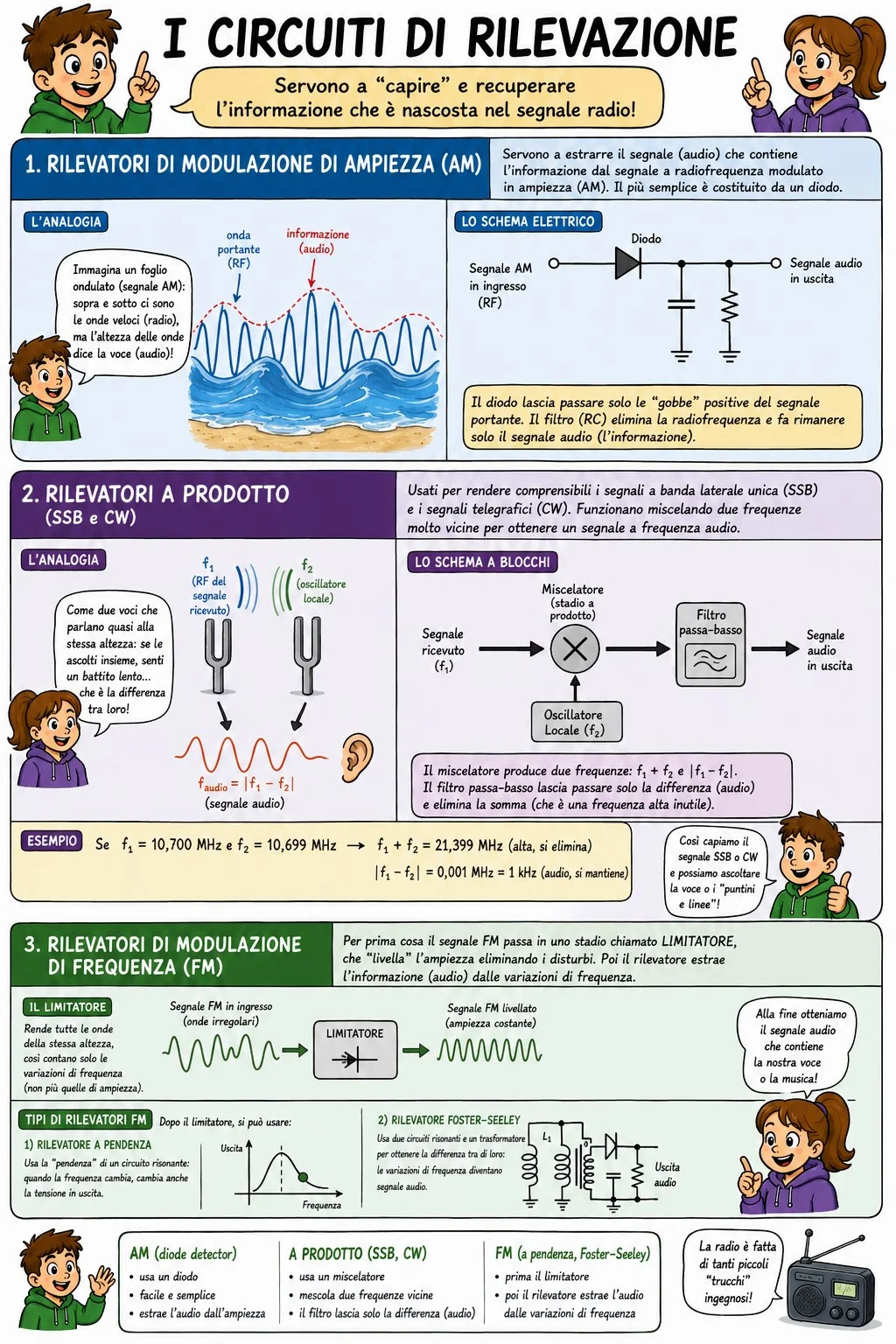
32Detector circuits 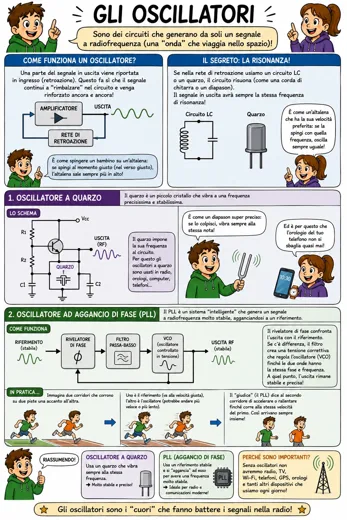
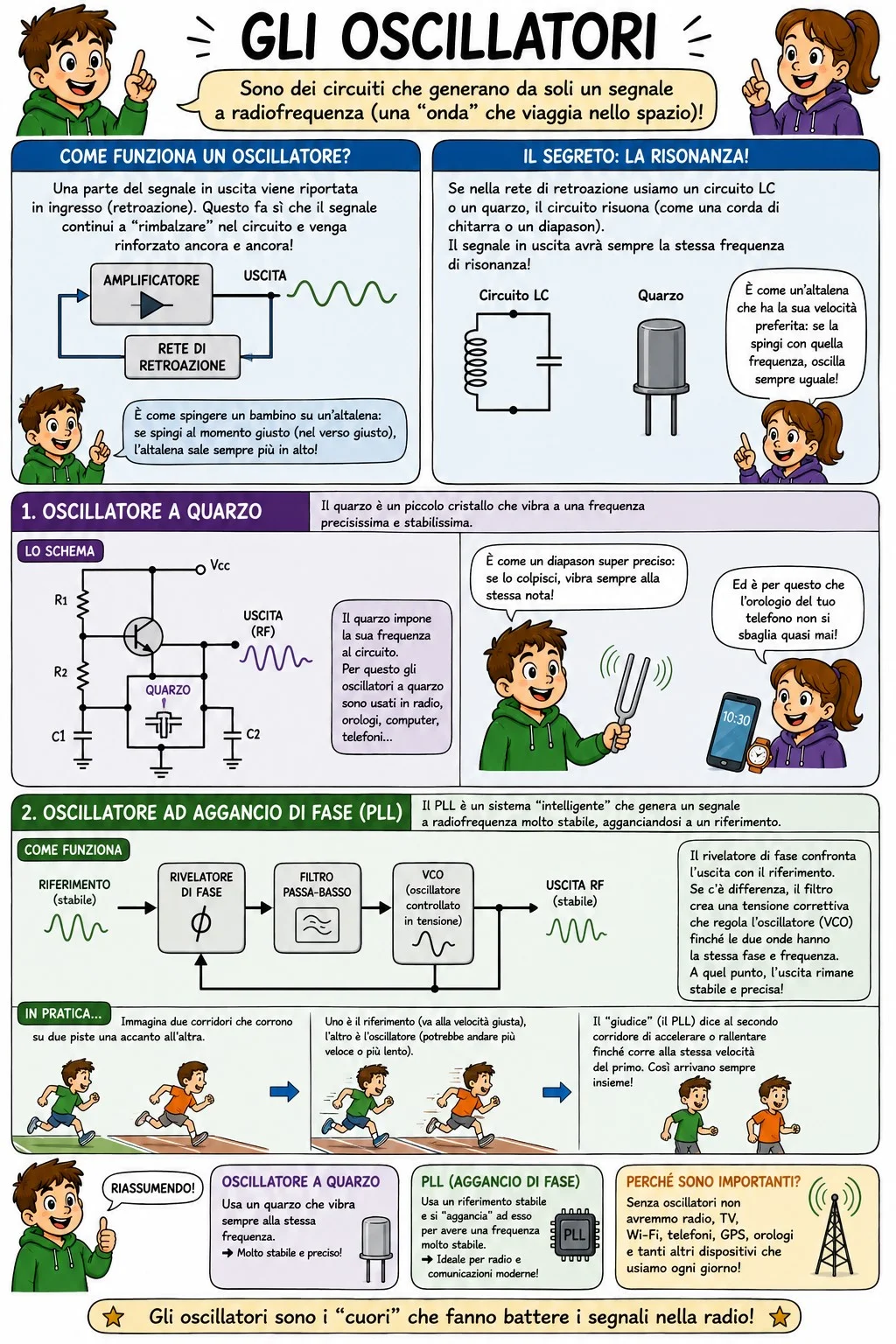
33Oscillators 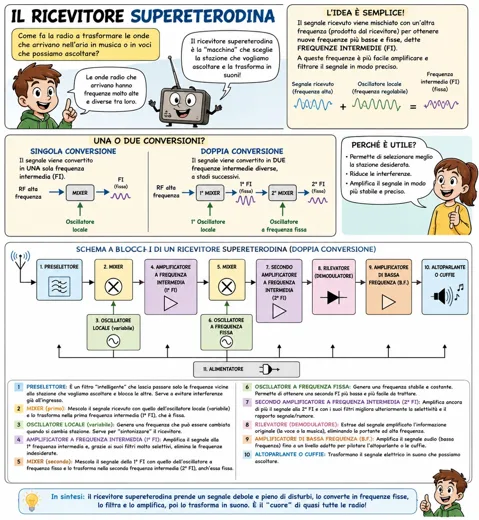
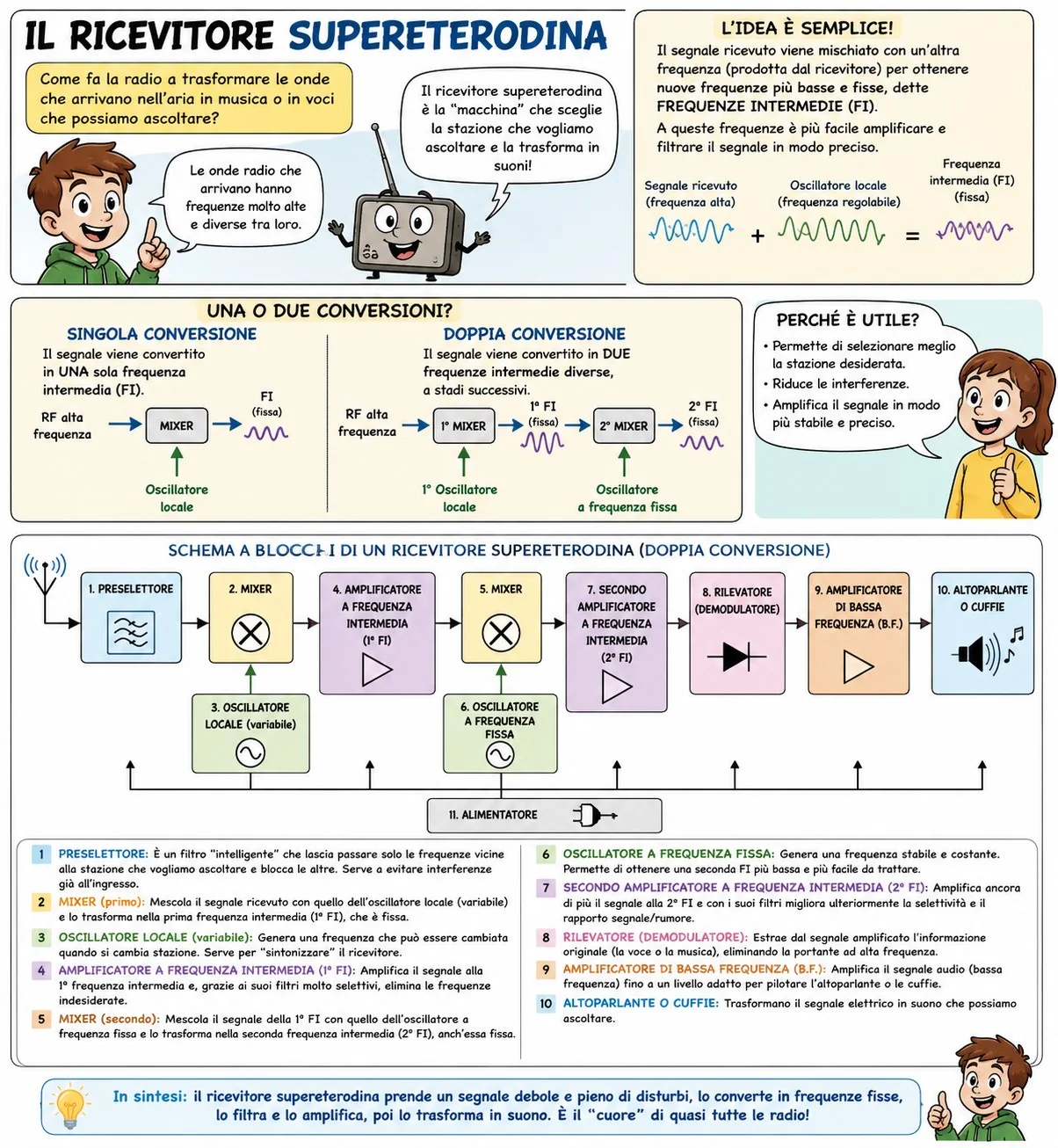
34The superheterodyne receiver 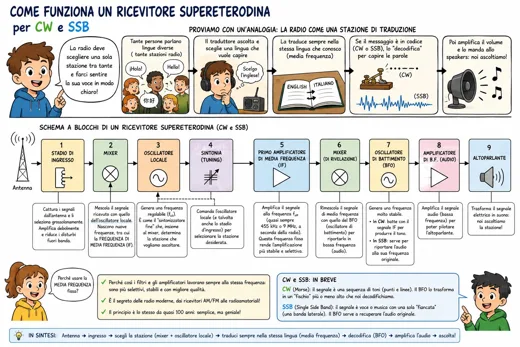
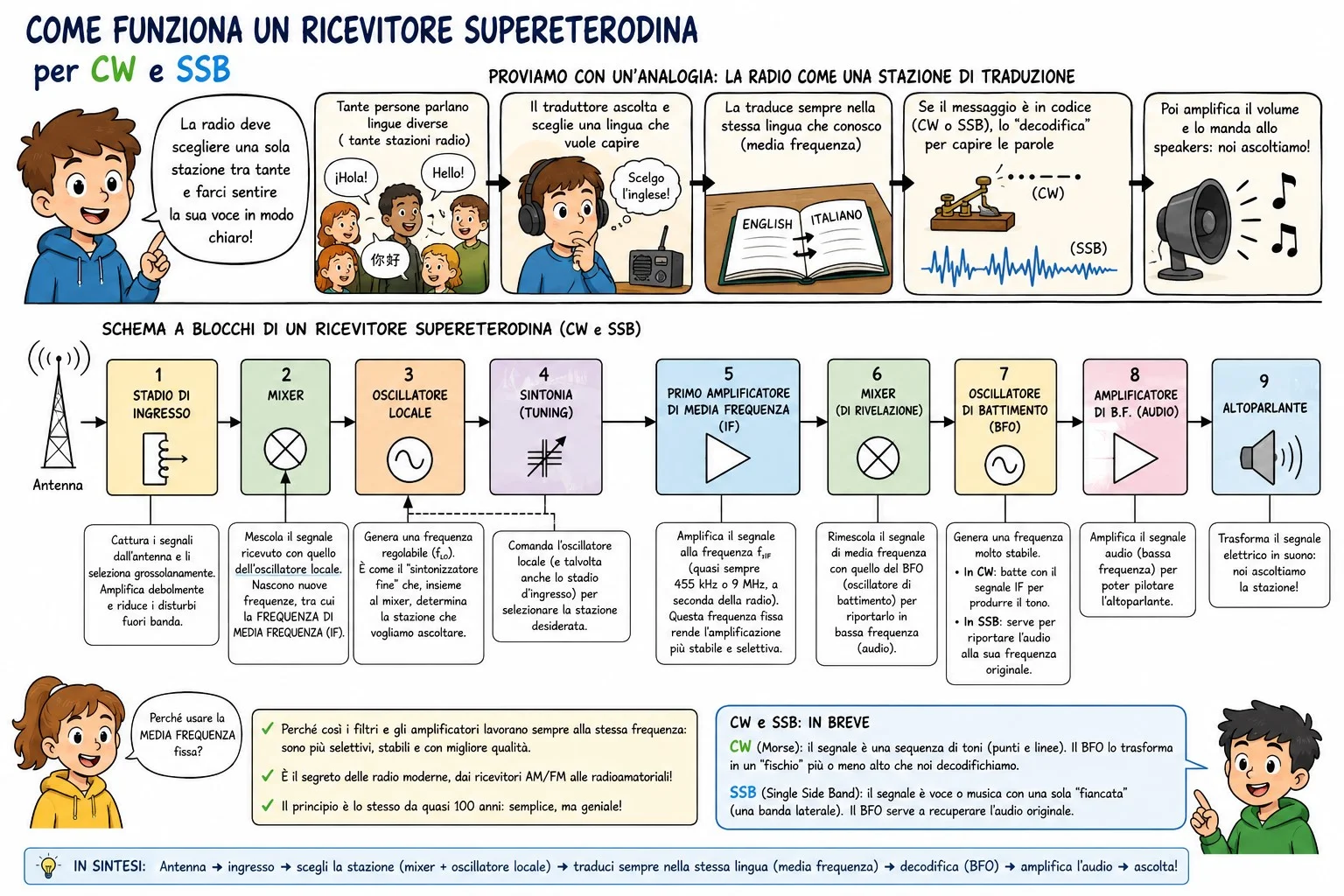
35The CW and SSB receiver 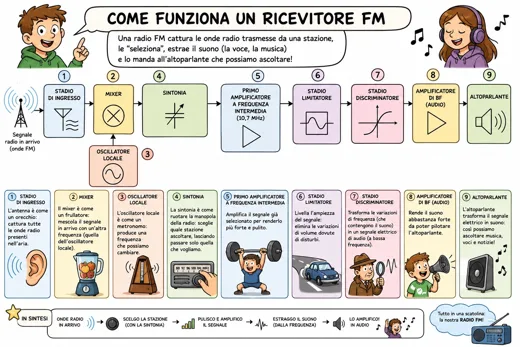
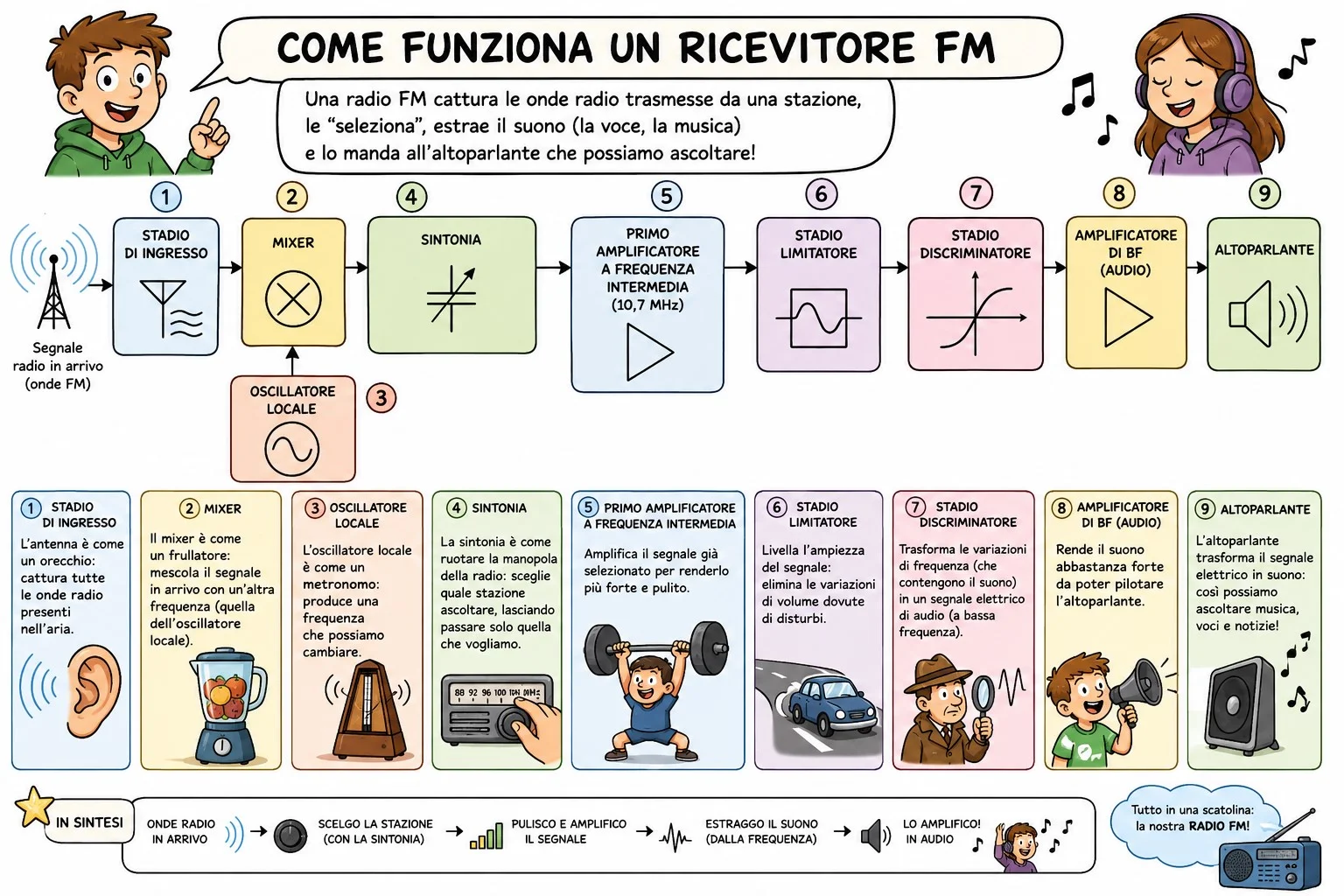
36How an FM receiver works 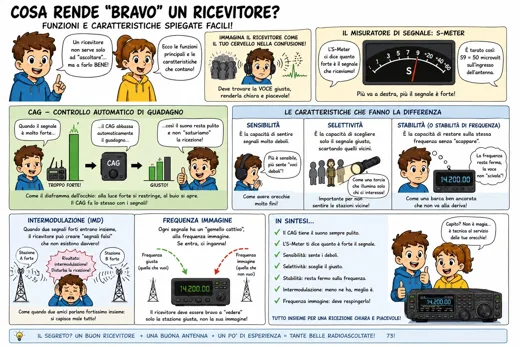
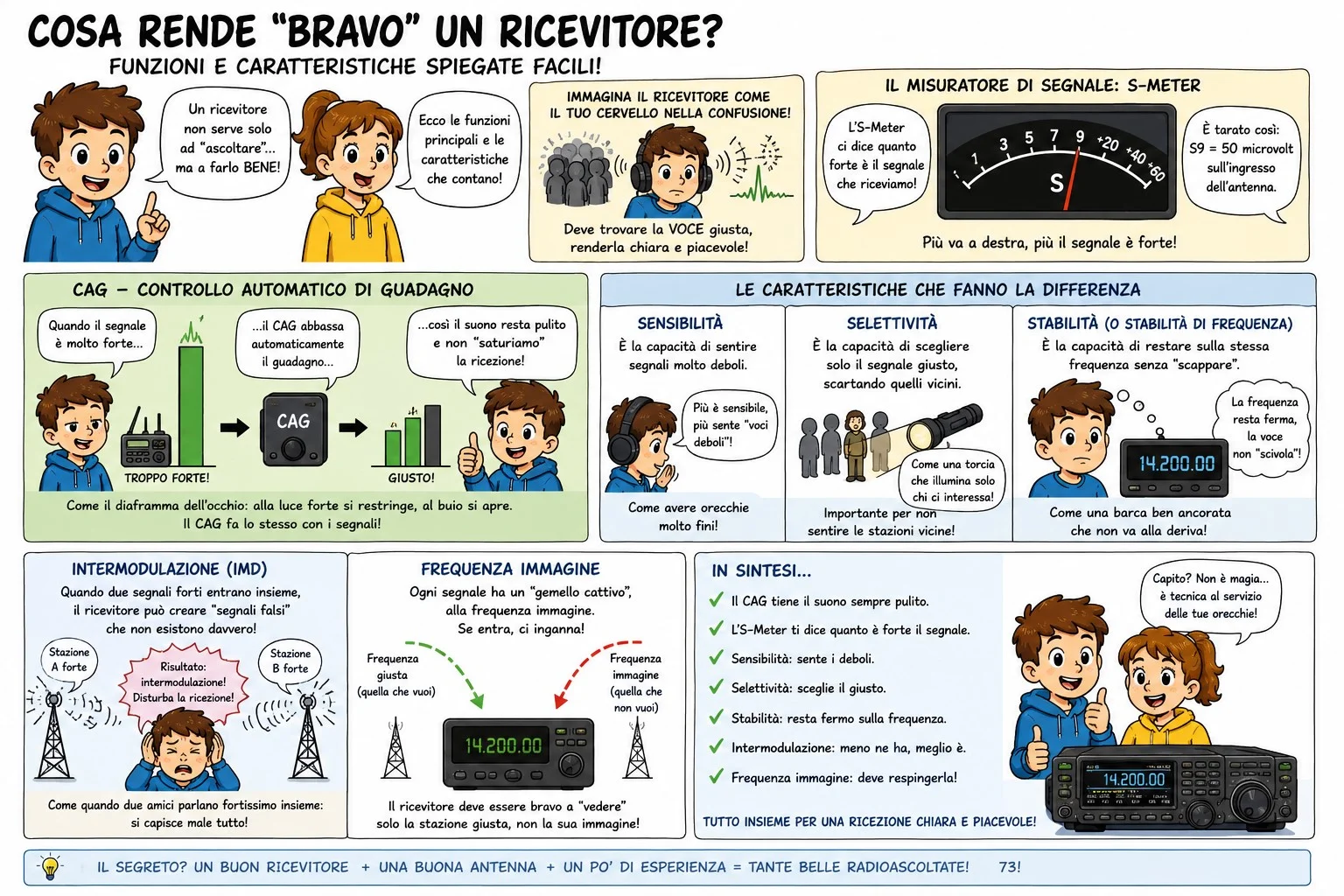
37What makes a receiver "good" 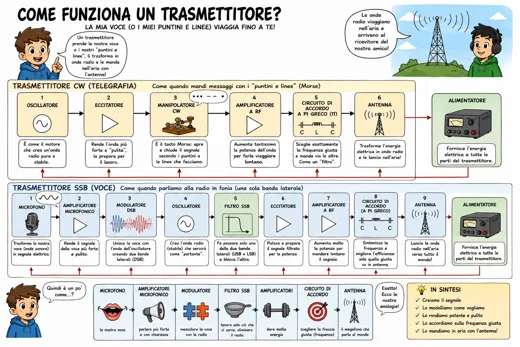
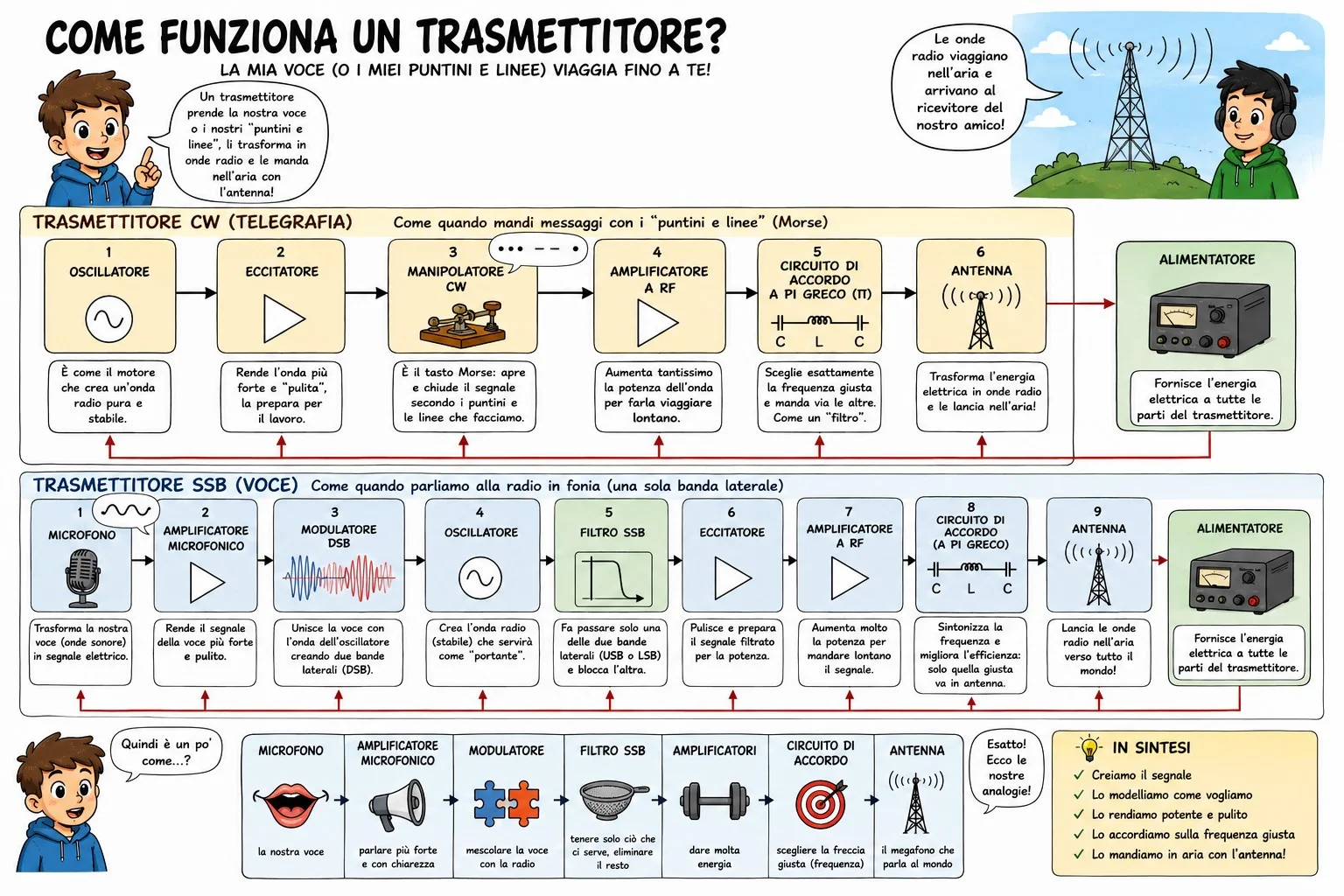
38How a CW and SSB transmitter works 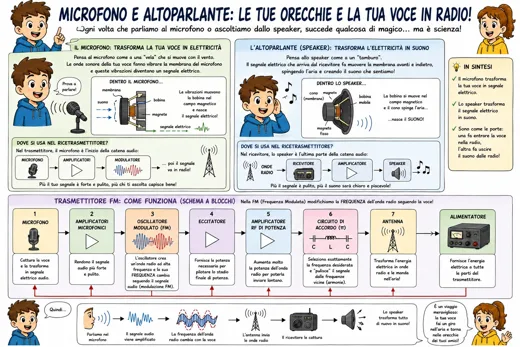
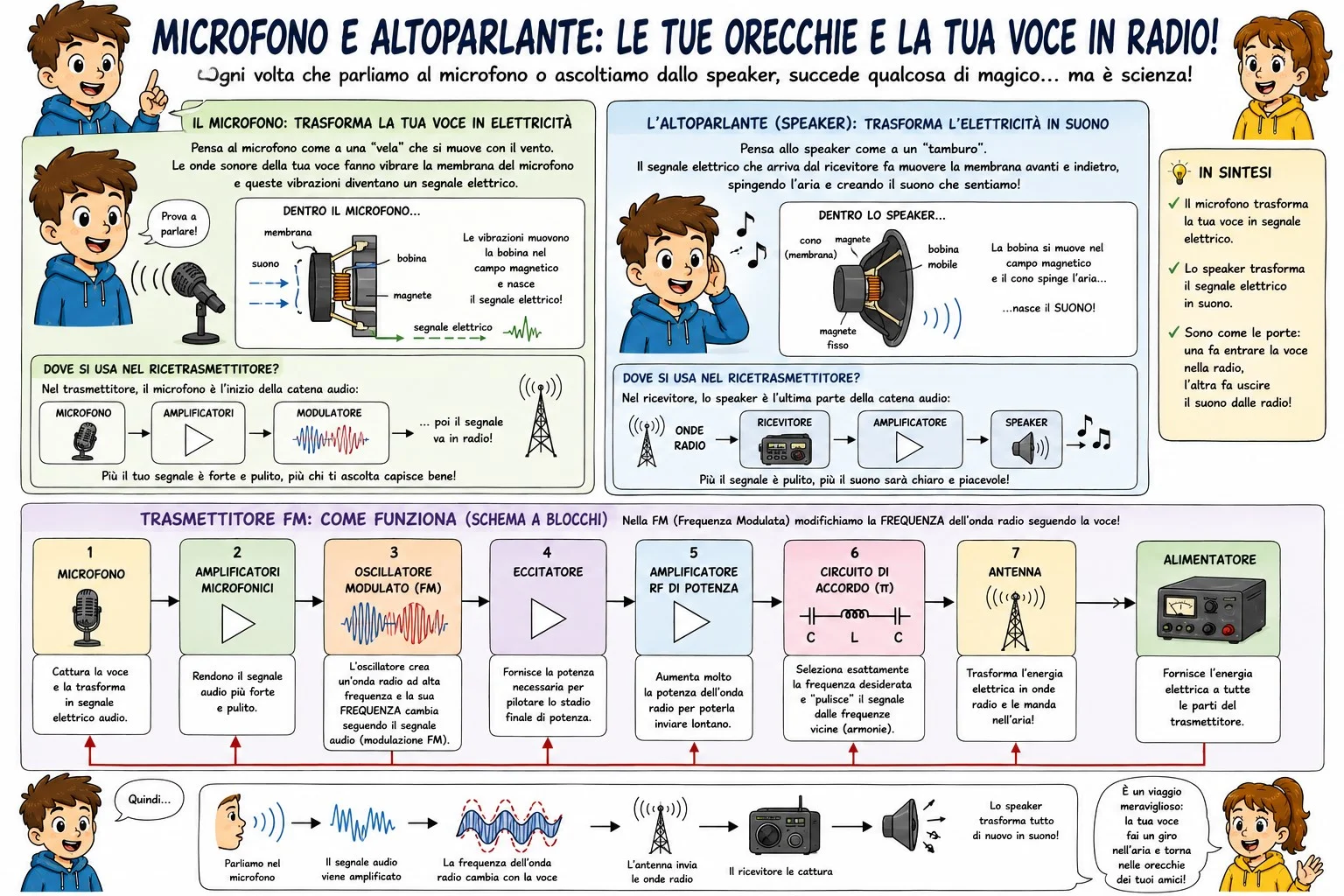
39Microphone, loudspeaker and FM transmitter 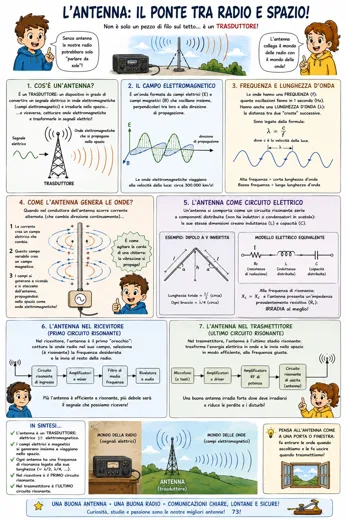
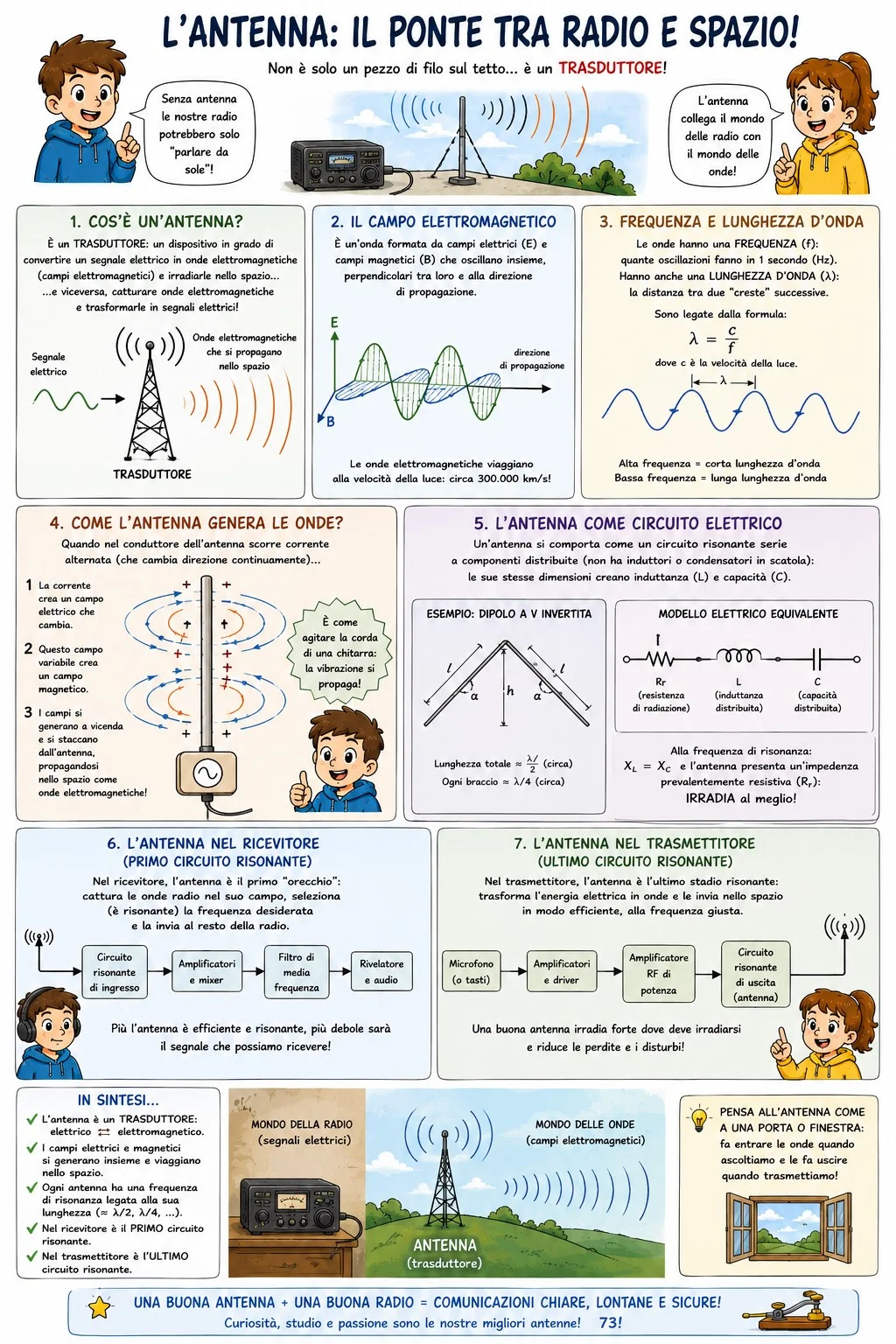
40The antenna: the bridge between radio and space 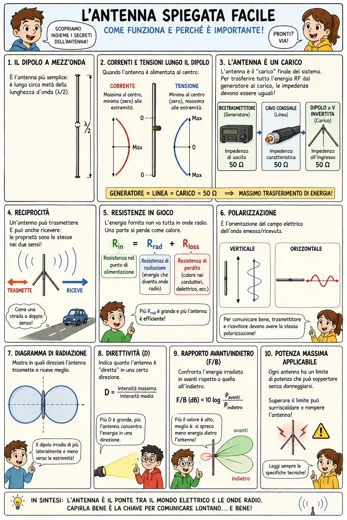
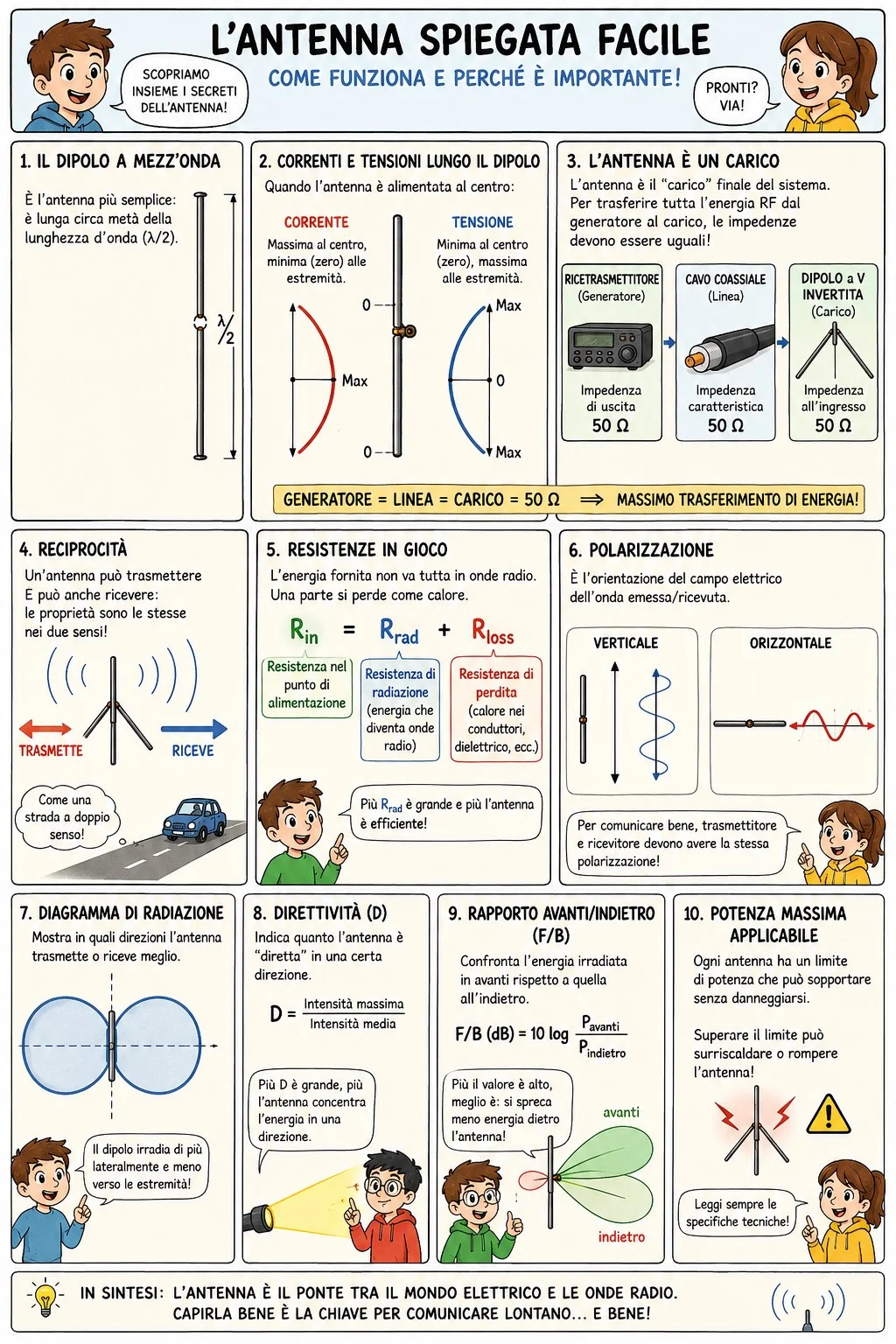
41The antenna made easy 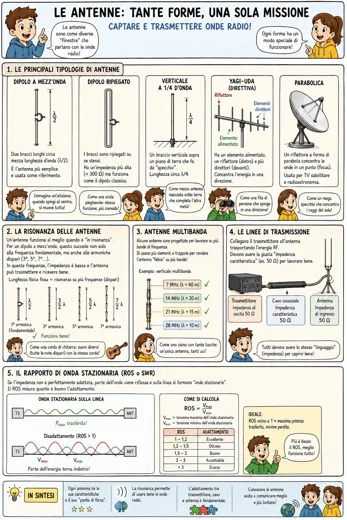
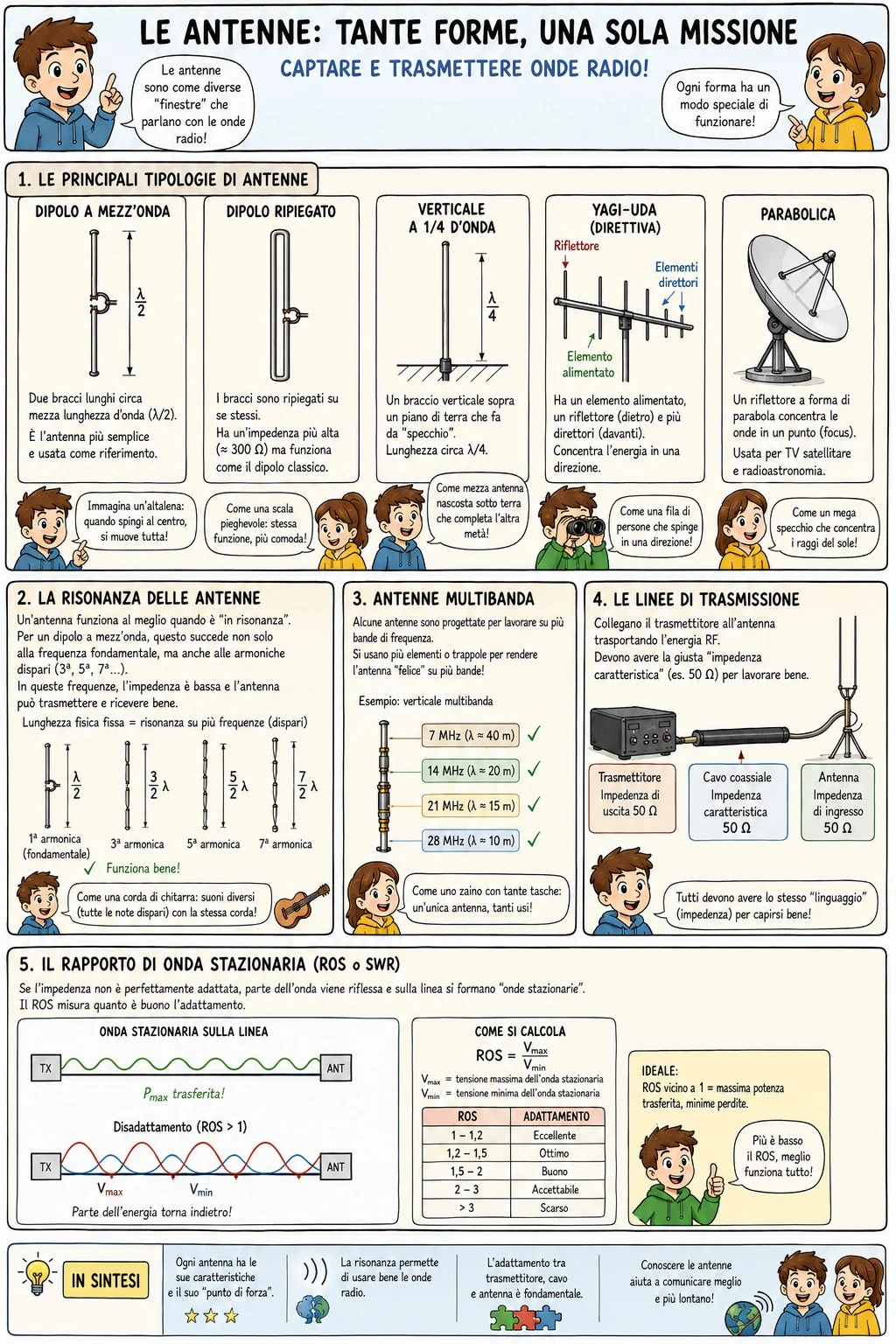
42Antennas: many shapes, one mission 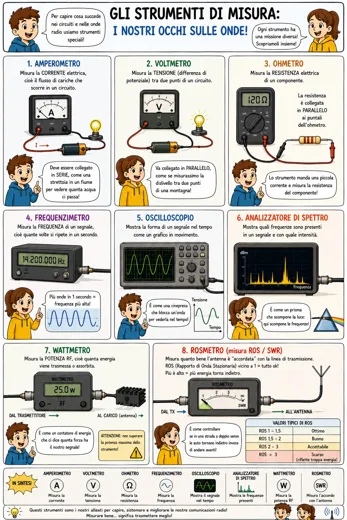
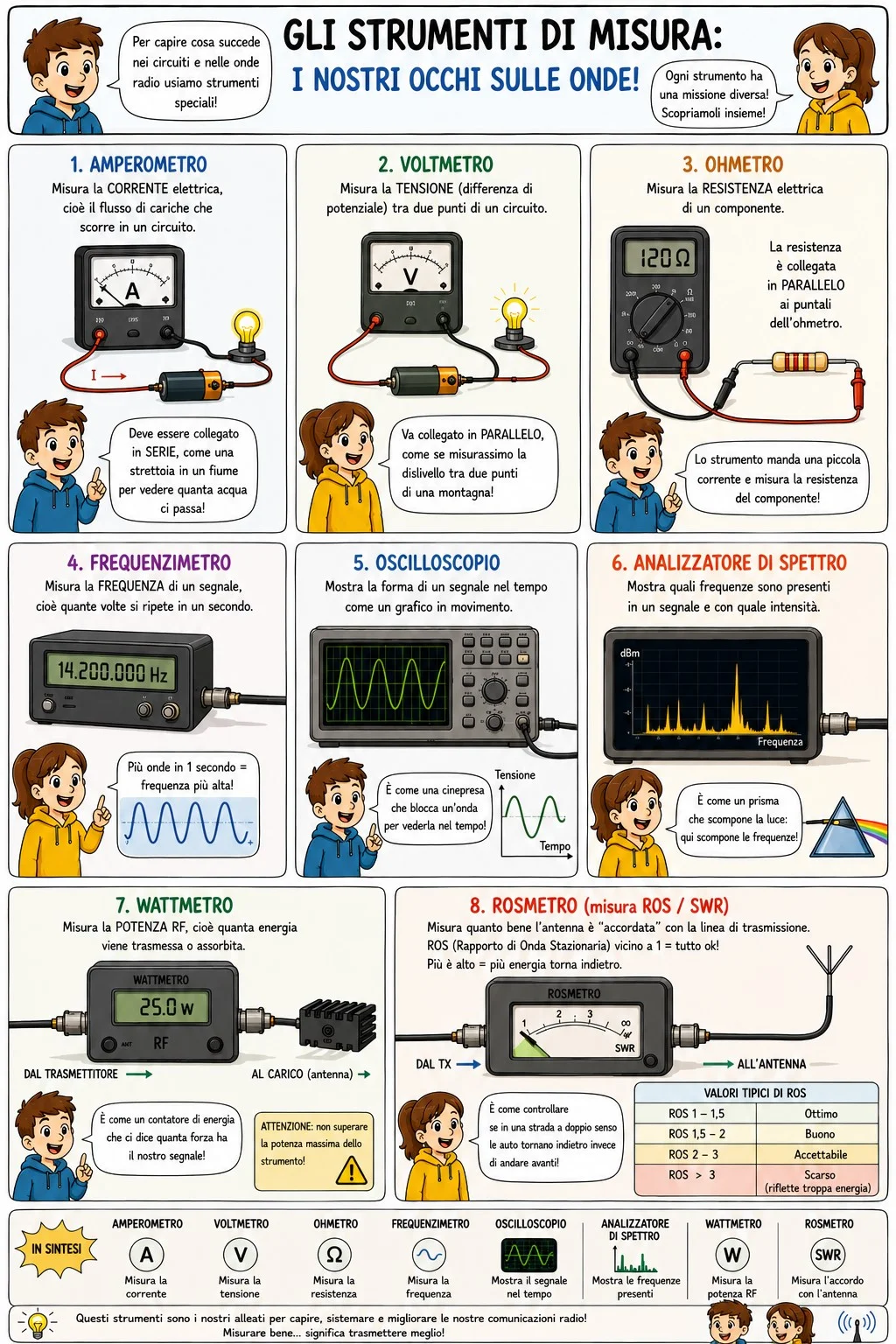
43Measuring instruments 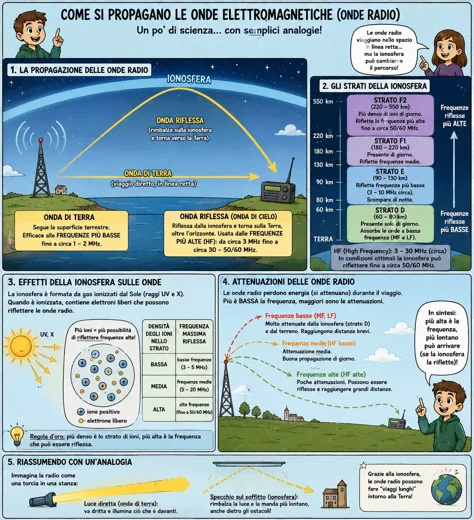
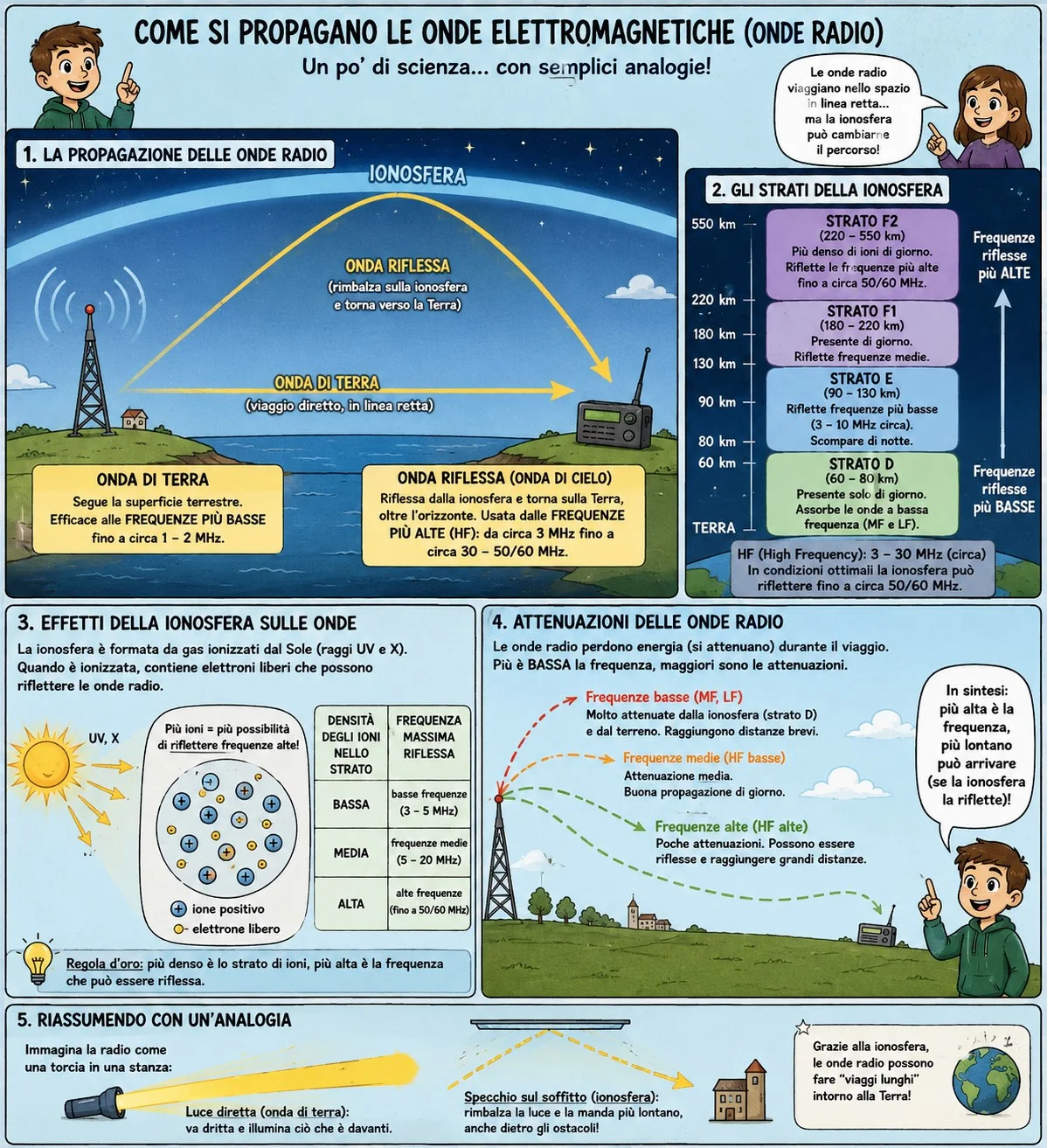
44How radio waves propagate 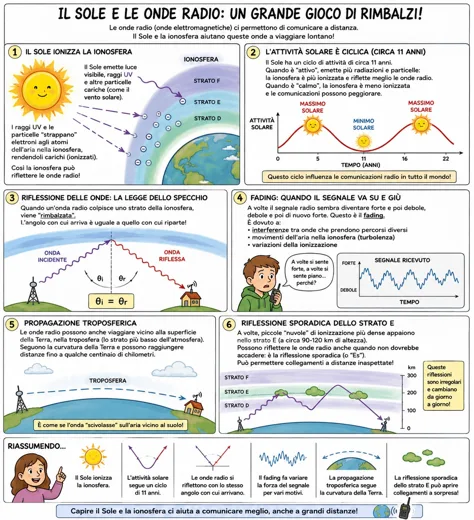
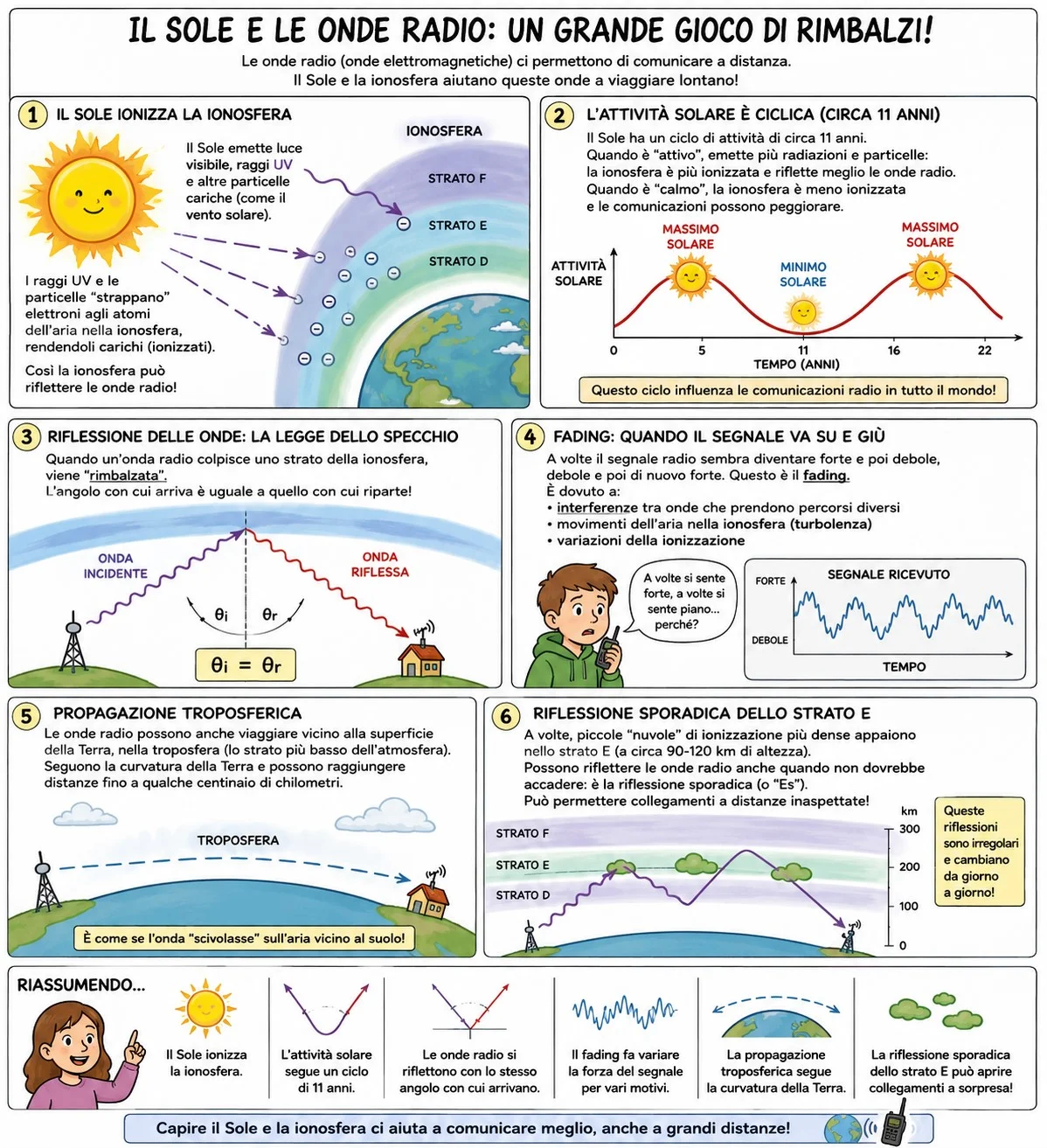
45The Sun and radio waves: propagation, part 2
Presentations
The presentations below were prepared by Tullio IT9VJO, our President, who is sharing them with everyone.
 Digital voice: DMR, C4FM, D‑STAR, NXDN, M17
How digital voice modes work, what sets them apart from each other and why there are so many.
PDF, 104 pages, 1.3 MB
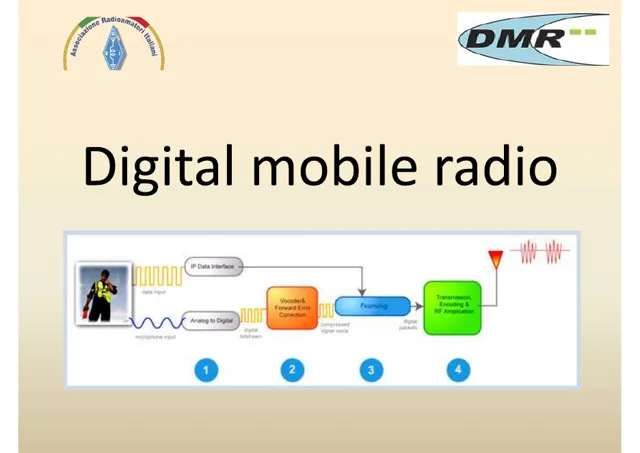 DMR
What Digital Mobile Radio is, how voice becomes digital and what time slots, colour codes and talkgroups are: all you need to use a repeater like IR9UM.
PDF, 10 pages, 0.7 MB
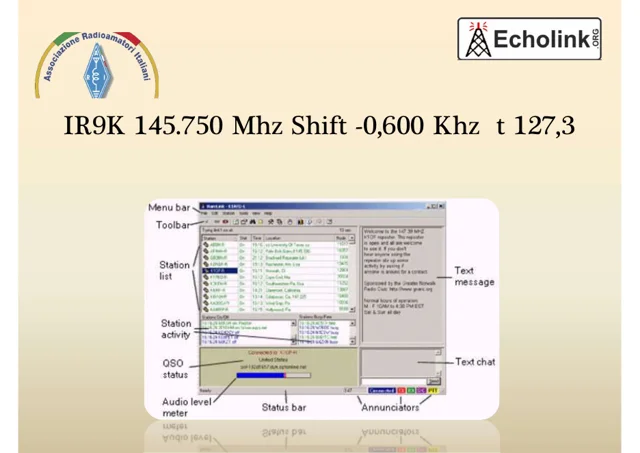 EchoLink
What EchoLink is, how to install it on your computer or phone and how to get onto IR9K-R even from the other side of the world.
PDF, 5 pages, 0.7 MB
 A.R.I. R.E., emergency radio communications
What radio amateurs do in the first hours of an emergency, when phones and the internet stop working, and the rules that provide for it.
PDF, 6 pages, 0.4 MB
 Wire antennas
The dipole and its variants, the vertical, the long wire, the delta loop, the T2FD, the Cobwebb, the HexBeam and the Rybakov: how they work, how they are fed and how to choose the right one for the space you have. With radiation patterns and a complete project for 20 metres.
PDF, 88 pages, 4.0 MB
Useful links
Licence exam: official Ministry sources
One thing to know straight away: the Ministry of Enterprises and Made in Italy does not publish the exam questions. It does publish the syllabus the tests are based on, the session dates and how to apply. Here's where to find them.
- PDFAmateur radio licence exam syllabusAnnex 26, sub-annex D: the technical and regulatory topics of the exam.ispettorati.mise.gov.it
- InspectoratesRadio amateurs, the Ministry's regional InspectoratesExam sessions, yearly decrees and forms.ispettorati.mise.gov.it
- MessinaSicily regional InspectorateThe office responsible for Messina.ispettorati.mise.gov.it
- MinistryRadio amateurs, Ministry websiteLicence, general authorisation and regulations.mimit.gov.it
Practice quizzes (unofficial)
Quizzes put together by fellow radio amateurs for practice. They aren't the official questions, but they're a fine way to get a feel for the kind of thing that gets asked.
Three parts of 10 questions each; with at least 8 right you move on to the next. The site is getting on in years, so on the regulations trust the Ministry's syllabus, not the quiz.